May 7, 2026
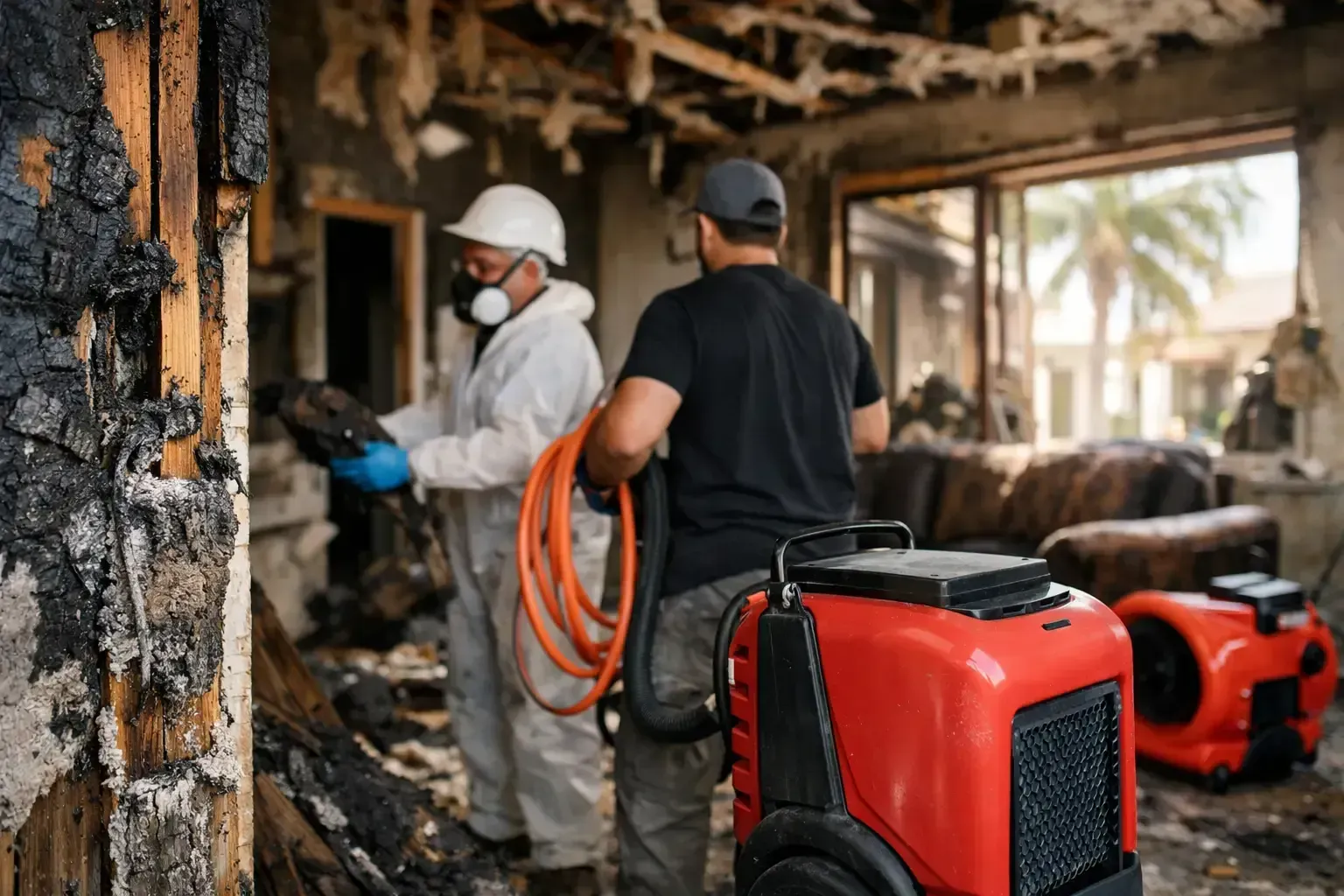
The first few hours after a house fire usually feel like a blur. You are dealing with smoke, water from firefighting efforts, damaged belongings, and the hard question of what can actually be saved. That is why sarasota fire damage restoration has to start fast. The longer soot, moisture, and acidic smoke residue sit on surfaces, the more permanent the damage can become.
A fire does not end when the flames are out. In many homes, the bigger restoration challenge starts afterward. Smoke moves into drywall, insulation, cabinets, and HVAC systems. Soot settles on ceilings, furniture, and electronics. Water used to put out the fire can soak floors and wall cavities, creating another layer of damage that has to be handled quickly.
For homeowners, the goal is simple. Stabilize the property, stop the damage from spreading, and begin a clean, organized recovery process without adding more stress than necessary.
What sarasota fire damage restoration really includes
Many people picture fire restoration as cleanup alone, but that is only one part of the job. A proper response begins with emergency mitigation. That means securing the home, identifying safety hazards, and preventing secondary damage from smoke, soot, and moisture.
In a typical fire loss, the restoration process may involve board-up services, tarp placement, water extraction, structural drying, smoke odor removal, soot cleanup, content evaluation, and repairs to affected materials. It can also include documenting damage for the insurance claim, which matters more than most homeowners realize in the first 24 to 48 hours.
Not every fire causes the same pattern of damage. A kitchen fire may leave intense grease-based residue in one area but spread smoke throughout the home. An electrical fire can create strong odor contamination inside walls and attic spaces. Even a small fire can turn into a whole-house cleaning job if the HVAC system pulled smoke through the ducts.
That is why a fast inspection matters. The visible damage is only part of the story.
What to do right after a fire
Once the fire department says the property is safe to enter, most homeowners want to start cleaning immediately. That instinct makes sense, but it can backfire. Soot is abrasive, and the wrong cleaning method can grind it deeper into surfaces or permanently smear it.
Start by focusing on safety and documentation. If utilities need to stay off, leave them off until qualified professionals say otherwise. Take photos of damaged rooms, furniture, appliances, and personal items before anything gets moved. If possible, gather medications, important documents, and essential clothing, but avoid disturbing heavily affected areas.
Then call a restoration company that handles fire, smoke, and water damage together. That matters because many fire losses are really mixed-loss events. You are not just dealing with burn damage. You are also dealing with heavy moisture, odor contamination, and residue that can keep spreading if the property is left untreated.
If the home has roof or window damage, temporary protection should happen quickly. Openings in the structure can expose the interior to rain, humidity, pests, and further deterioration. In Southwest Florida, that risk moves fast.
Why speed matters more than most homeowners expect
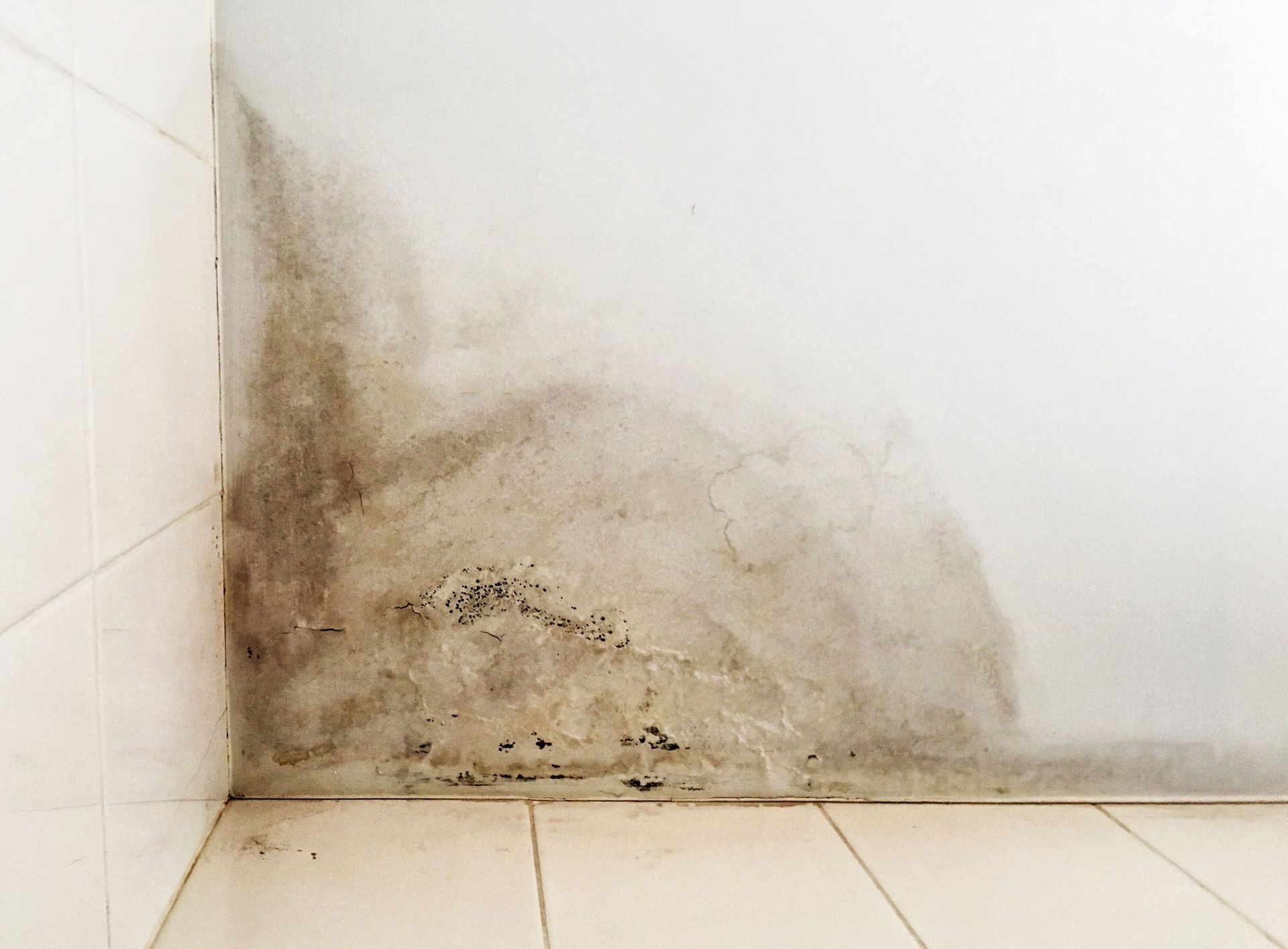
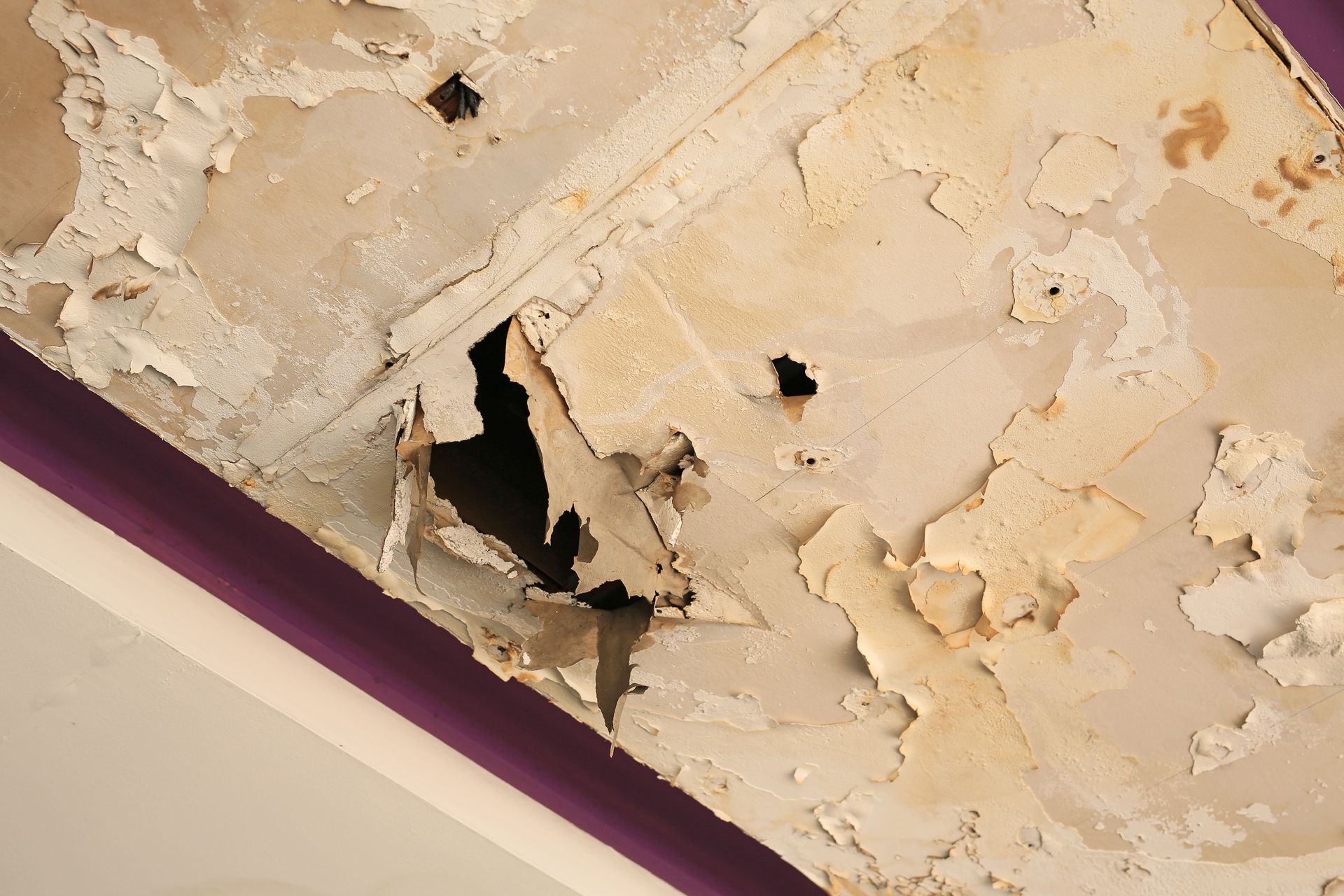
Fire damage is not static. Smoke residue continues to affect surfaces after the fire is out. Soot can stain paint, discolor metal fixtures, and etch glass. Acidic residues may damage countertops, appliances, and electronics if they are not cleaned properly. At the same time, water trapped in flooring, subfloors, and walls creates the conditions for swelling, warping, and mold growth.
That is one reason emergency response matters so much. A delayed cleanup can turn a manageable restoration into a larger reconstruction project. What might have been saved in the first day may need replacement a few days later.
Fast service also helps with insurance documentation. Early moisture readings, photos, and scope notes can support a clearer claim record. For homeowners already trying to keep up with temporary housing, phone calls, and family needs, that kind of organization makes a real difference.
The biggest hidden problems after a house fire
Burned materials are obvious. The less obvious issues are often the ones that create the most frustration later.
Smoke odor is one of them. Odor does not disappear because a room looks clean. If smoke particles remain inside porous materials like insulation, upholstery, unfinished wood, or ductwork, the smell can return again and again, especially during humid weather.
Corrosion is another problem. Smoke and soot residues can affect metal surfaces, wiring, and electronics. Some items may appear fine right after the event, then fail later because residue was left behind.
Water damage is also routinely underestimated. Firefighters use significant amounts of water to stop the fire, and that moisture can travel well beyond the burn area. Flooring, baseboards, drywall, and cabinets may all need drying and inspection even if they were never touched by flames.
This is where experienced restoration teams earn their value. They are not just cleaning what is visible. They are tracing the full path of damage.
How the restoration process usually works
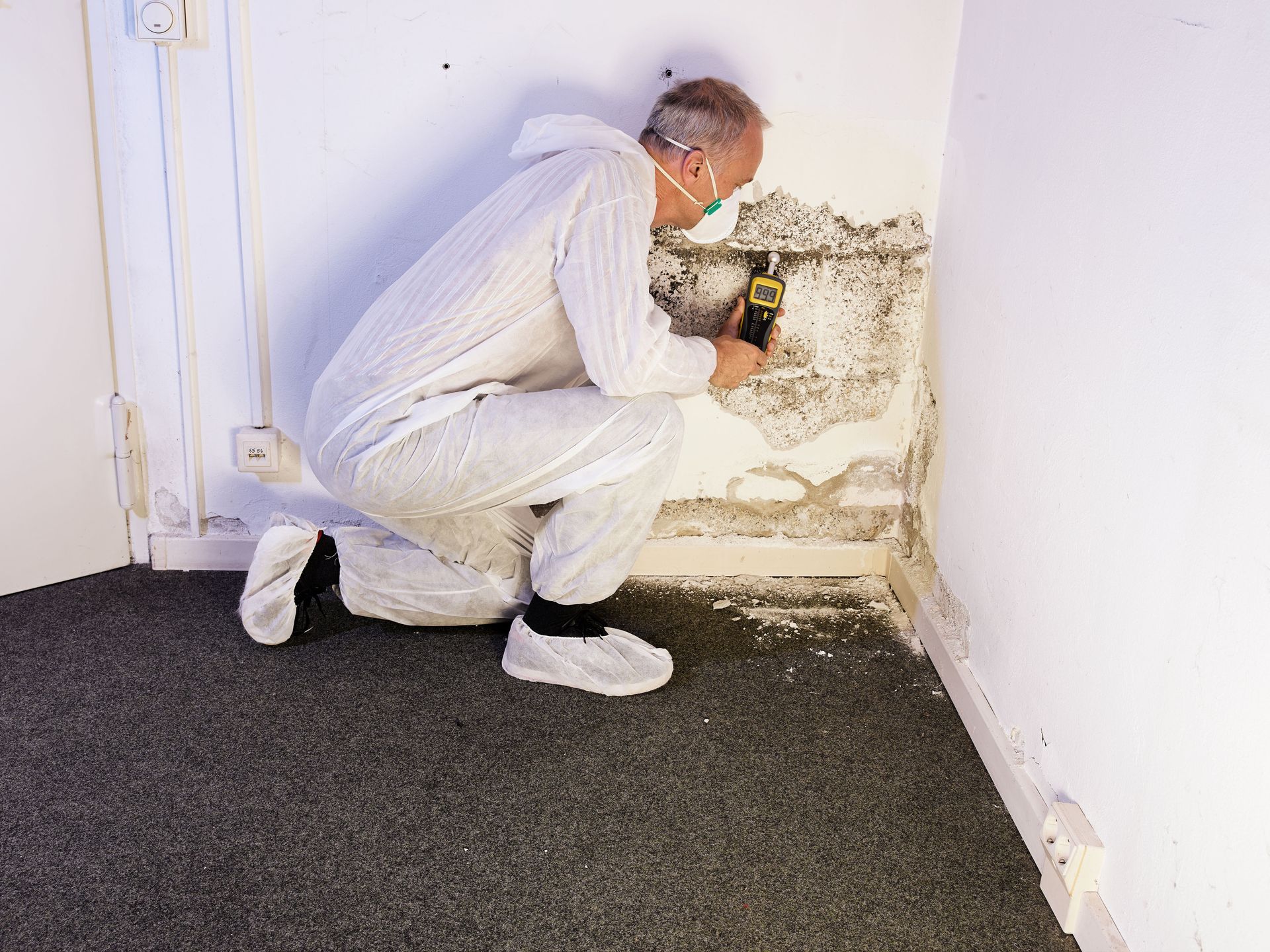
A professional response starts with an inspection and a plan. The crew identifies structural concerns, moisture levels, smoke spread, and the type of residue involved. Different fires leave different residues, and the cleaning method has to match. Dry soot, wet soot, protein residue, and fuel-oil residue all behave differently.
Next comes stabilization. That can include emergency board-up, tarping, and water removal. If the property is wet, drying equipment goes in early because moisture problems do not wait for the rest of the fire cleanup to catch up.
After that, cleaning and deodorization begin. This stage often includes removing unsalvageable materials, cleaning salvageable surfaces, treating odors, and evaluating contents. Some belongings can be restored off-site, while others need to be documented and discarded. It depends on the severity of exposure, the material involved, and whether the item can be cleaned safely.
Repairs and rebuilds come later, once the property is clean, dry, and stable. In some cases, the job is mostly mitigation and surface restoration. In others, it includes drywall replacement, flooring work, cabinet replacement, and more extensive reconstruction.
Insurance can help, but the process still needs management
One of the most stressful parts of a fire loss is dealing with the claim while trying to make decisions about your home. Homeowners often assume the insurance process will move in a straight line. Sometimes it does. Sometimes it does not.
That is why restoration companies that work directly with insurance carriers can take a major burden off the homeowner. Clear photo documentation, line-item scopes, moisture records, and consistent communication help reduce delays and confusion.
It is still smart to keep your own records. Save claim numbers, contact names, receipts for emergency expenses, and notes from conversations. If you have to leave the home temporarily, keep track of related costs. Good documentation makes it easier to support the claim and keep the process moving.
Choosing the right team for sarasota fire damage restoration
Not every contractor is equipped for fire loss cleanup. General cleaning is not the same as smoke remediation, and basic demolition is not the same as controlled mitigation. You want a team that understands emergency dry-out, soot behavior, odor removal, and insurance-facing documentation.
Response time matters. Certification matters. A clear scope matters. Just as important, you need a company that communicates plainly when the situation is already stressful.
A family-owned local team like FloStop Restoration LLC can often provide a more direct experience during an emergency because the focus is on rapid response, practical next steps, and helping homeowners move from chaos to a workable plan. That kind of support matters when you are trying to protect both the property and your out-of-pocket costs.
When a smaller fire still needs professional restoration
Homeowners sometimes hesitate to call after a contained fire because the damage does not look severe. Maybe the fire stayed in the kitchen. Maybe the flames were put out quickly. Maybe only one room appears affected.
But smoke rarely stays in one room. Odor can spread through vents and open pathways. Soot can settle in nearby spaces that seem untouched at first glance. Water can seep under flooring or into wall cavities. A smaller fire can still create a large cleanup issue if it is not assessed properly.
Professional restoration is not only for major structural fires. It is also for preventing a smaller event from turning into long-term staining, lingering odor, hidden moisture, and insurance complications.
If your home has been affected, the best next step is simple. Get the property inspected quickly, get the damage documented correctly, and let the cleanup start before smoke and water have more time to settle in. A calm, fast response now can make the road back to normal much shorter.
The post Sarasota Fire Damage Restoration Steps first appeared on FloStop Restoration.