May 5, 2026
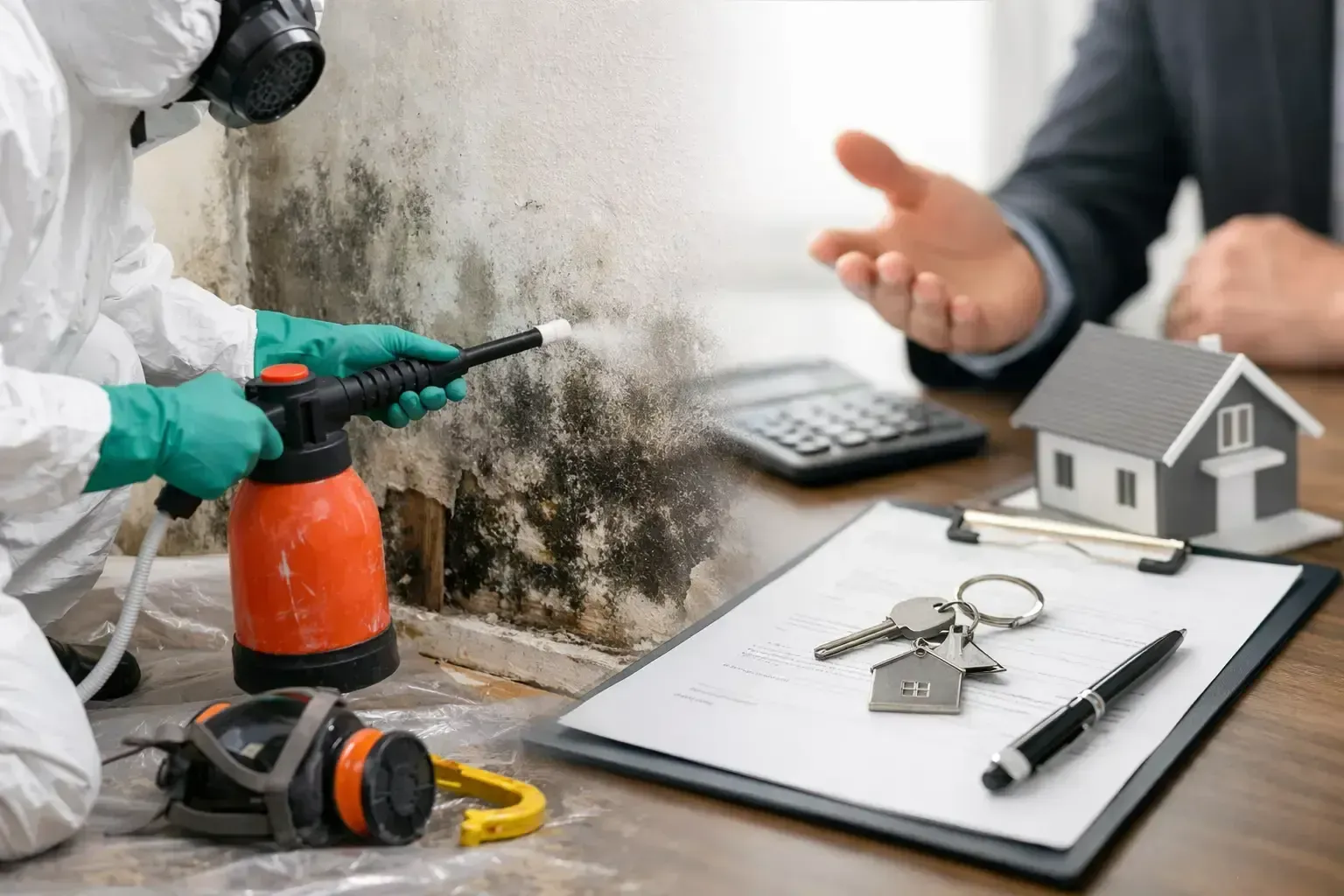
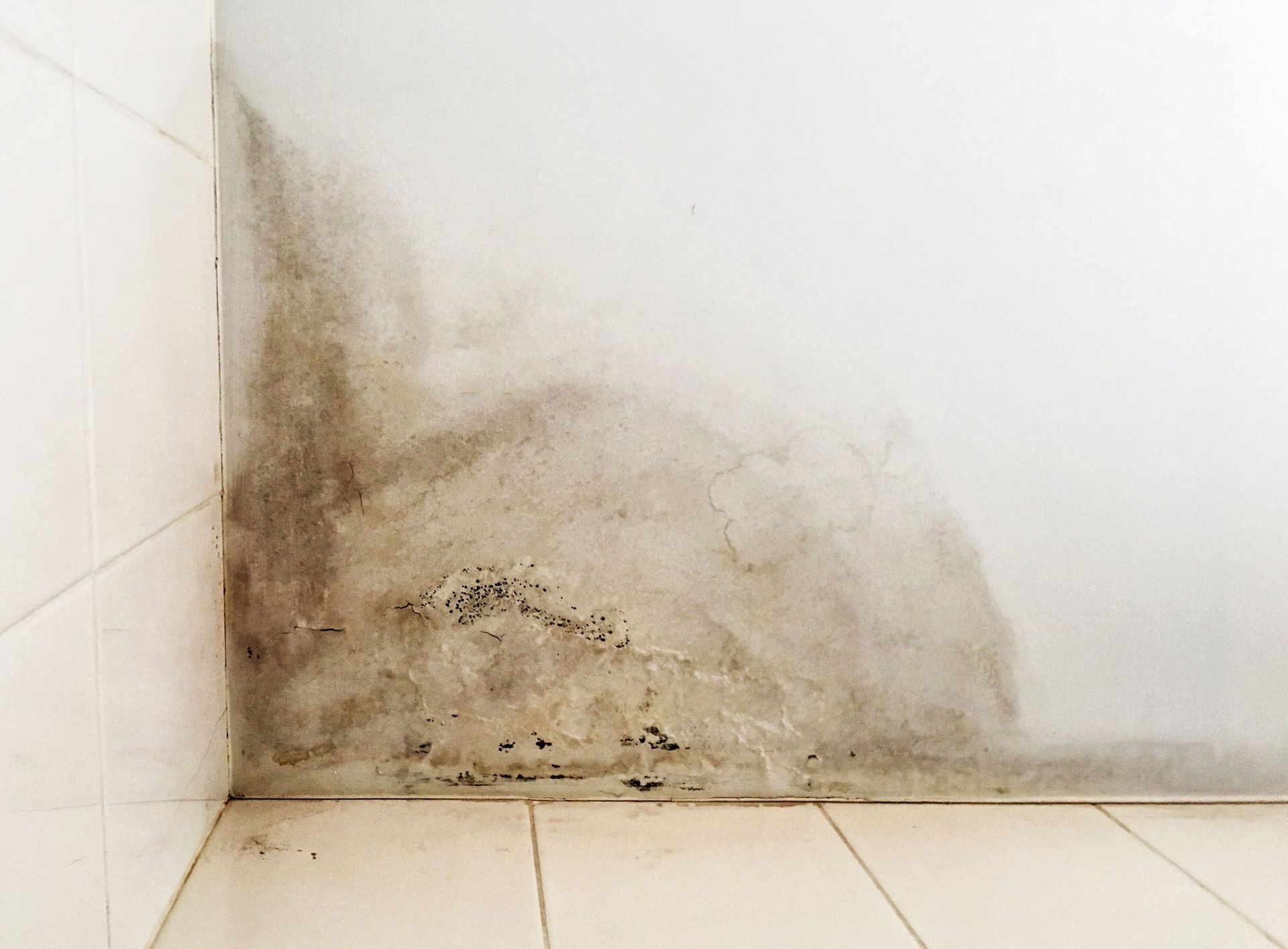
You find a musty smell after a leak, pull back drywall, and there it is – mold spreading faster than you expected. The first question most homeowners ask is simple: is mold remediation covered by insurance? The honest answer is that it depends on what caused the mold, how quickly the problem was addressed, and what your policy actually says.
For most homeowners, mold coverage is not automatic. Insurance companies usually look at the source of the moisture before they decide whether they will pay for cleanup, repairs, or both. If the mold came from a sudden, covered event, there is a better chance the claim will be approved. If it came from long-term moisture, deferred maintenance, or high indoor humidity, coverage is much less likely.
Is mold remediation covered under homeowners insurance?
In many cases, homeowners insurance may cover mold remediation when the mold is the result of a covered peril. That usually means a sudden and accidental event such as a burst pipe, an appliance line failure, or water damage caused by firefighting efforts. The logic is straightforward: if the original water loss is covered, the resulting mold damage may also be covered, at least up to the limits in the policy.
That does not mean every mold job is fully paid for. Some policies cap mold-related coverage at a lower amount than the rest of the claim. You might have water damage coverage for major repairs but only a small mold sublimit for testing, containment, removal, and rebuilding. In practice, that matters. A small patch of mold behind a vanity is one thing. Widespread growth inside walls, under flooring, or in HVAC components can become much more expensive.
Florida homeowners should pay close attention here. In humid climates, insurers often review mold claims carefully because they want to separate sudden damage from ongoing moisture conditions. If they believe the problem built up over time, they may deny the claim even if the damage is significant.
What usually makes mold remediation covered or not covered?
The biggest factor is the cause of loss. Insurance is designed for sudden and accidental damage, not preventable problems that develop slowly.
Mold from a sudden water event
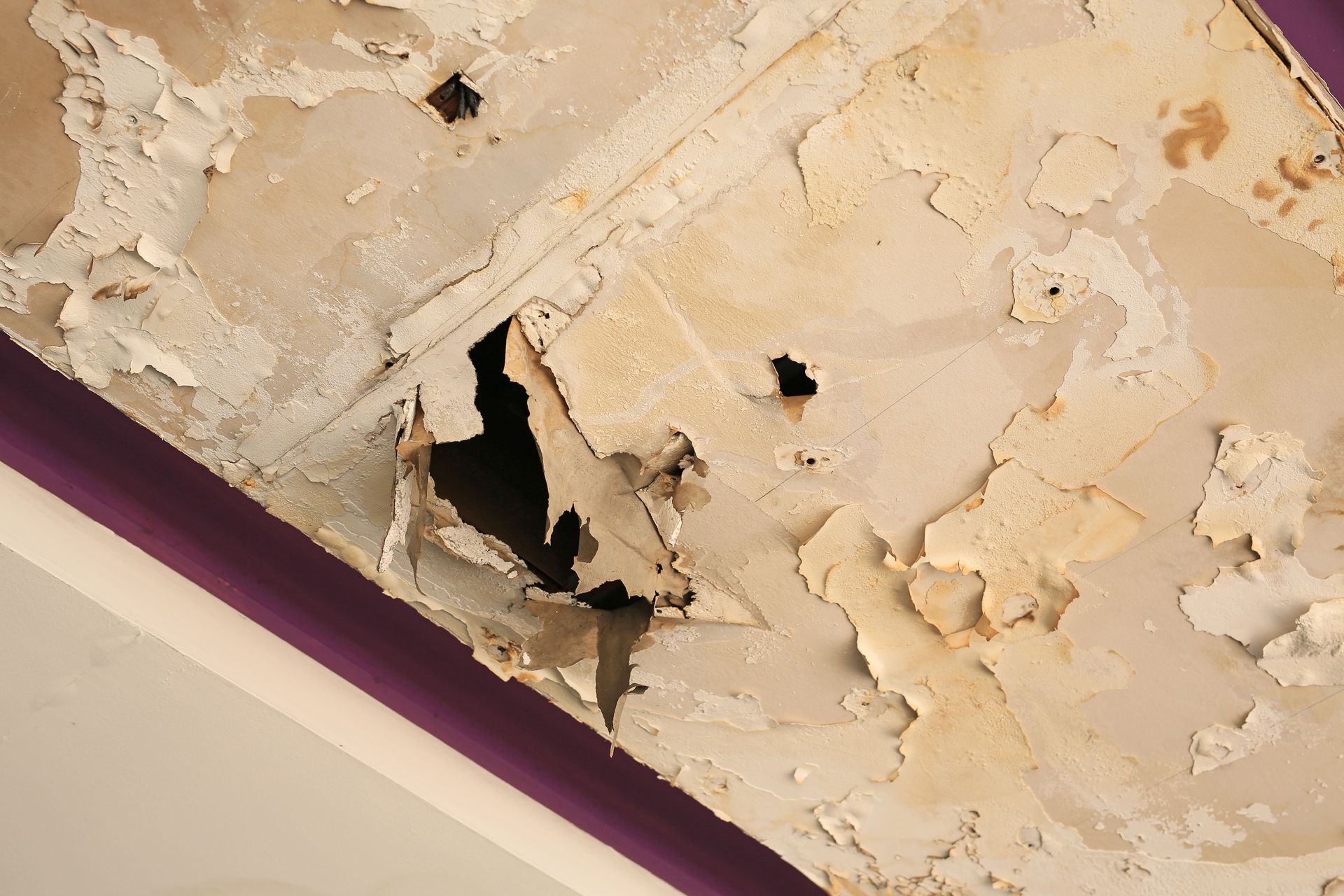
If a supply line bursts under a sink and mold appears shortly after, that claim has a stronger chance of coverage. The same may apply if a washing machine hose fails, a water heater ruptures, or a storm creates an opening that allows water in. In these situations, the mold is tied to a specific event, and that event may fall within the policy.
Timing still matters. If the leak happened and the homeowner took reasonable steps to dry the area, document the damage, and report it, that helps support the claim. Insurance companies want to see that the policyholder did not let the damage sit and worsen unnecessarily.
Mold from long-term leaks or maintenance issues
This is where many claims run into trouble. If the mold came from a slow plumbing drip under a cabinet, an old roof leak that was never repaired, poor ventilation in a bathroom, or years of elevated humidity in a closed-up home, insurance often treats that as a maintenance issue. Most policies exclude damage caused by neglect, wear and tear, repeated seepage, or preventable moisture problems.
That can feel frustrating for homeowners because the mold may not have been visible right away. But from the insurer’s perspective, hidden damage does not always mean sudden damage.
Mold tied to flooding
If mold developed after rising water entered the home from outside, standard homeowners insurance usually does not cover that flood damage. Flood insurance, if you carry it, may be the policy that applies. This distinction matters in Southwest Florida, where storms, storm surge, and heavy rain can create water damage that falls into a different category than an indoor plumbing loss.
What your insurance company may actually pay for
When mold remediation is covered, the claim may include more than just removing visible mold. Depending on the policy and the damage, insurance may help pay for water extraction, drying equipment, containment barriers, removal of affected materials, cleaning, antimicrobial treatment, and rebuilding damaged sections of the property.
It may also cover related repairs to walls, baseboards, cabinets, flooring, or insulation if those materials had to be removed during remediation. In some situations, policies also include loss of use coverage if the home becomes temporarily unlivable during restoration.
Still, every policy has limits and exclusions. Some cover mold only if you added an endorsement. Others include mold but cap payment at a specific dollar amount. Some may cover tearing out damaged materials but not the full cost to replace custom finishes. That is why homeowners should avoid assuming that a covered water claim means unlimited mold coverage.
How to improve the chance of a covered mold claim
The first few hours after discovering moisture matter. The longer water sits, the harder it becomes to show that you took prompt action.
Start by stopping the source of water if it is safe to do so. Shut off the supply line, contain the leak, or arrange emergency mitigation right away. Take clear photos and videos before major cleanup begins. Save any damaged materials if your insurer may want to inspect them. Then report the loss to your insurance carrier as soon as possible.
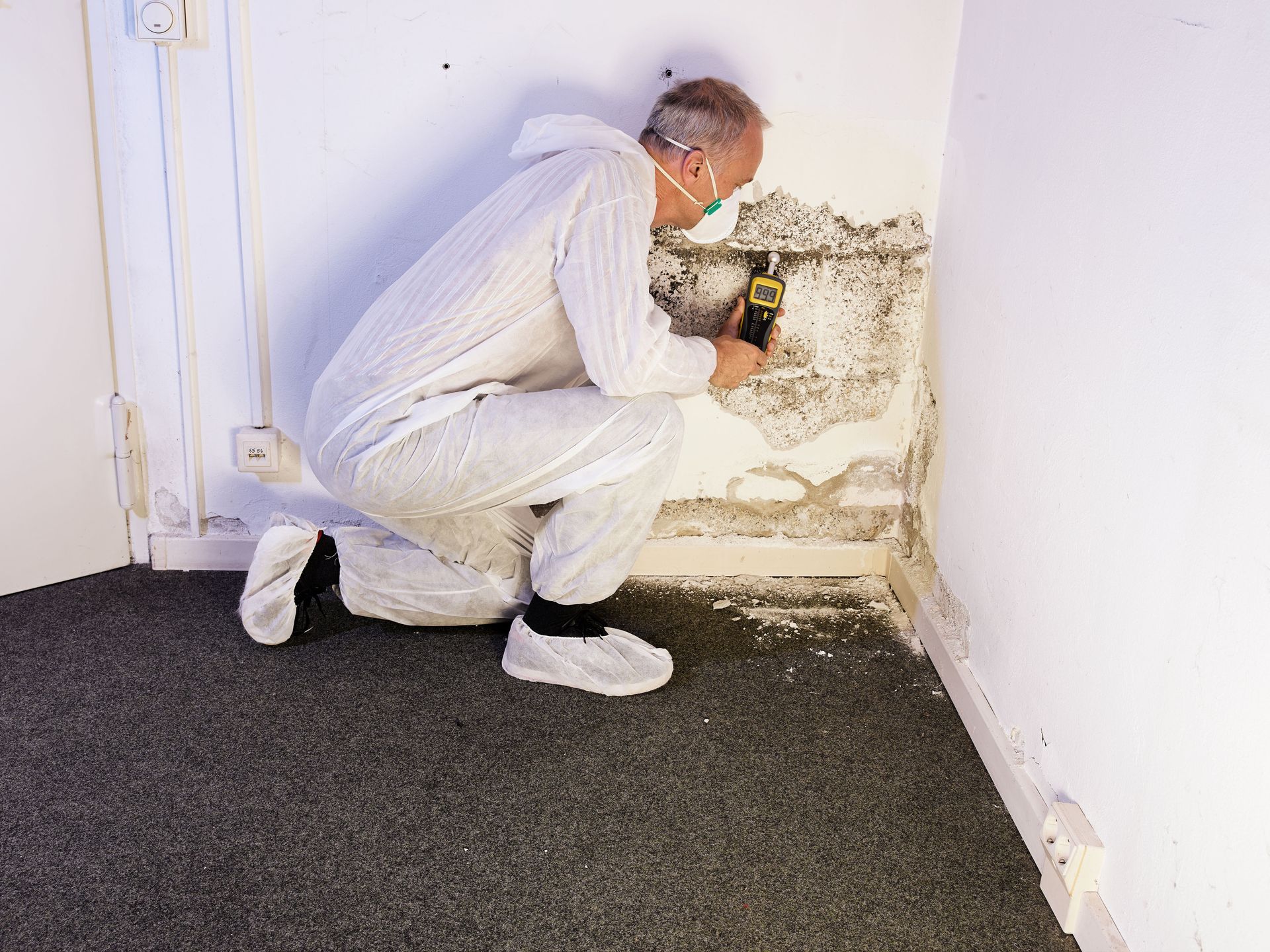
Professional documentation can make a real difference. A restoration company can identify the moisture source, document affected areas, set up drying, and create records that help support the timeline of the damage. If mold is present, proper containment and removal also help prevent the situation from getting worse while the claim is under review.
For homeowners under stress, this is often where working with an insurance-friendly restoration team helps. Companies like FloStop Restoration LLC are used to handling emergency moisture losses, documenting conditions, and coordinating with insurance when a claim is involved. That does not guarantee approval, but it can reduce mistakes that complicate the process.
Common reasons mold claims get denied
Many denials come down to one issue: the insurer believes the mold resulted from an ongoing condition instead of a sudden event. But there are several versions of that problem.
A claim may be denied because the homeowner waited too long to report the loss, because prior leaks had already been noted and not fixed, or because the policy specifically excludes mold except in narrow situations. Claims also get challenged when the original source of moisture is unclear. If no one can show whether the water came from plumbing, roof failure, exterior flooding, condensation, or humidity, the insurer may take the narrowest view.
Another common issue is partial coverage. The insurer may accept the water damage but dispute the extent of mold remediation needed. For example, they may agree to clean a limited area while the remediation contractor finds hidden spread behind walls or under flooring. When that happens, good inspection records and moisture readings become important.
What to ask before you assume mold remediation is covered
If you are opening a claim, ask direct questions. Is the original water damage considered a covered peril? Does your policy include mold remediation, and if so, is there a cap? Are testing, containment, and reconstruction included, or only removal? Will temporary housing be covered if the work affects livability?
You should also ask whether your policy has a separate deductible for wind, water, or named storms if weather contributed to the loss. The answer can affect your out-of-pocket cost more than people expect.
If you are not in an active loss but want to be prepared, review your policy before you need it. Look for exclusions involving repeated seepage, fungus, wet rot, and humidity. It is much easier to understand your coverage before a claim than while mold is spreading in your home.
The bottom line on whether mold remediation is covered
So, is mold remediation covered? Sometimes, yes – but usually only when the mold can be tied to a sudden, covered water event and the homeowner acted quickly. If the issue grew out of long-term moisture, deferred repairs, or high humidity, insurance is far less likely to help.
That uncertainty is exactly why speed matters. The sooner the water source is addressed, the damage documented, and the drying started, the stronger your position will be with both the restoration process and the insurance claim. When mold shows up, waiting rarely saves money. Fast action usually does.
The post Is Mold Remediation Covered by Insurance? first appeared on FloStop Restoration.