May 13, 2026
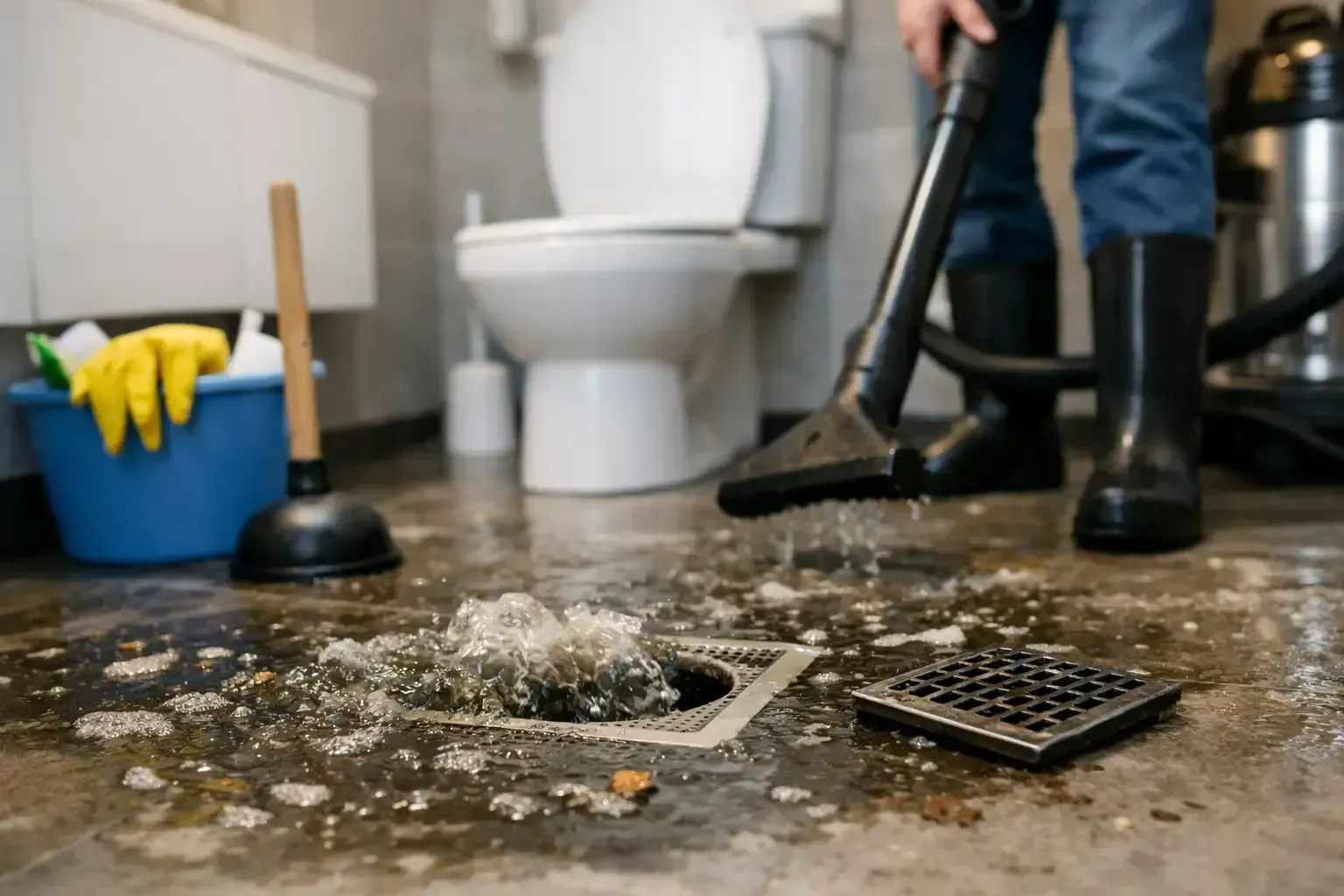
If sewage is coming up through a drain, toilet, or shower, this is not a wait-and-see problem. Knowing how to handle sewage backup in the first few minutes can protect your health, limit structural damage, and keep a bad situation from getting much worse. The priority is simple – stay out of the contaminated area, stop using water, and get professional help moving right away.
Sewage water is not the same as a clean water leak. It can carry bacteria, viruses, parasites, and dangerous contaminants that spread fast through flooring, drywall, cabinets, and HVAC systems. In Florida homes, where heat and humidity already work against you, contamination and odor can set in quickly.
How to Handle Sewage Backup in the First Minutes
Start by keeping people and pets away from the affected area. If the backup is near a bathroom, laundry room, kitchen, or garage drain, close the door if you can and do not let anyone walk through the water. Every step can track contamination into clean areas of the home.
Next, stop using all plumbing fixtures. Do not flush toilets, run sinks, start the dishwasher, or use the washing machine. If the sewer line is blocked, adding more water can force more waste back into the house.
If it is safe to do so, turn off electricity to affected rooms before anyone gets near wet flooring or outlets. Water and electricity are a dangerous mix, and sewage makes the risk even worse. If the electrical panel is in a wet area or you are not sure what is safe, leave it alone and wait for a qualified professional.
Then call for emergency sewage cleanup. This is one of those situations where speed matters. A certified restoration team can assess contamination levels, isolate damaged areas, begin extraction, and document the loss for insurance. For many homeowners, that insurance coordination is just as important as the cleanup itself.
What Not to Do During a Sewage Backup
A lot of property damage gets worse because people try to handle it like a minor flood. Sewage loss is different.
Do not use a household vacuum, even a shop vacuum, unless it is specifically rated and used for hazardous contaminated water by trained personnel. Do not mop and assume the floor is clean. Do not run fans across contaminated water unless the area has been properly contained. Air movement in the wrong stage can spread particles and odor deeper into the home.
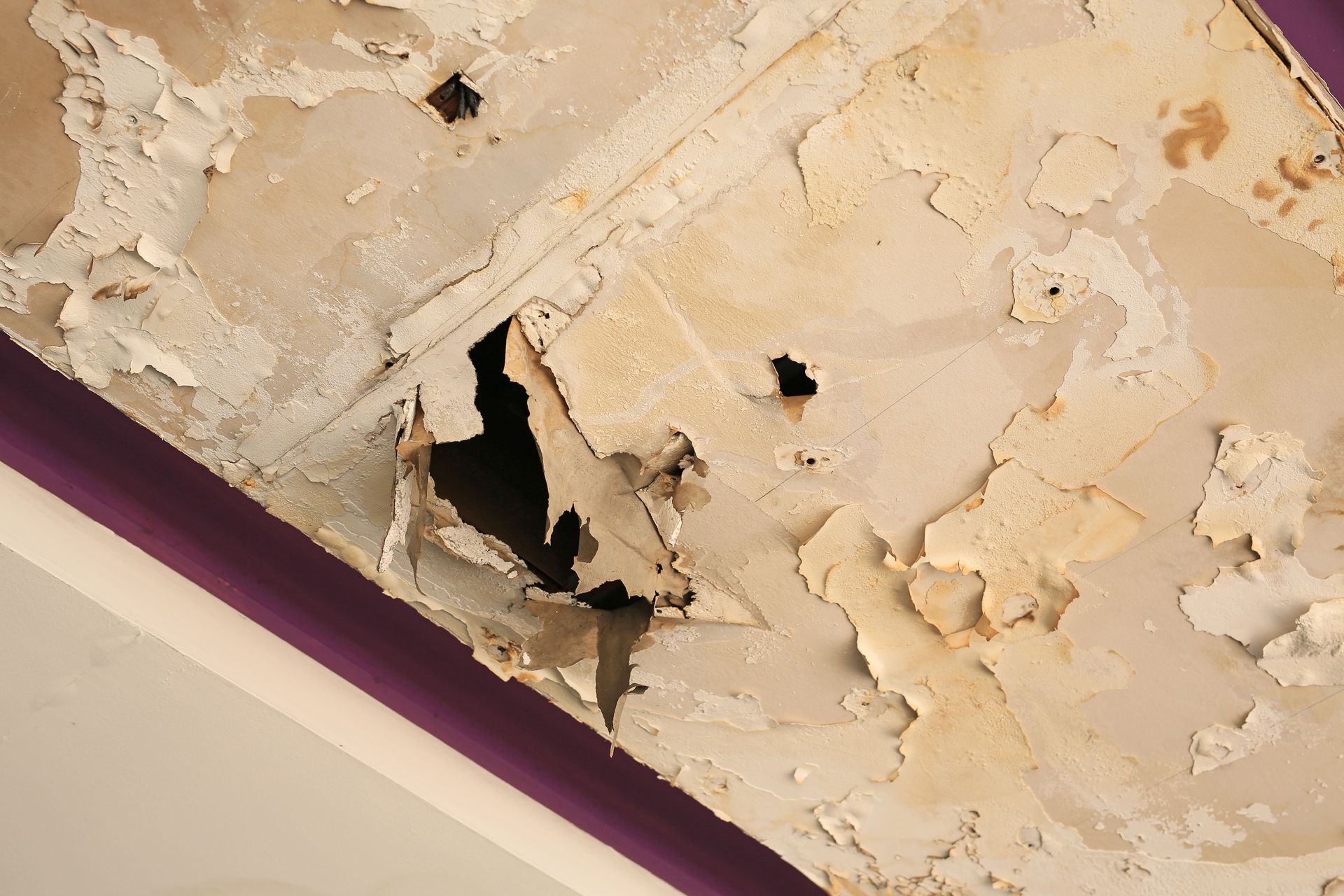
You also should not save every material. Rugs, bath mats, cardboard, insulation, and some upholstered items may not be salvageable after direct contact with black water. It depends on the type of material, how long it has been affected, and how deeply contamination has penetrated.
Most of all, do not assume bleach solves the problem. Bleach has limited value in a sewage event. It does not replace extraction, removal of unsalvageable materials, professional cleaning, or proper drying. Used incorrectly, it can also create fumes and damage surfaces.
What Causes Sewage to Back Up?
The source matters because cleanup is only half the job. If the cause is still active, the backup can happen again.
A common cause is a main sewer line blockage from grease, wipes, paper buildup, or tree root intrusion. In some homes, heavy rain can overwhelm older drainage systems and force wastewater backward through low drains. In others, damaged or collapsed sewer lines are the real issue, especially in aging neighborhoods or properties with recurring drainage trouble.
Sometimes the issue is inside the home, like a clogged toilet line affecting one bathroom. Other times it is larger and affects multiple fixtures at once. If water appears in a shower when a toilet flushes, or multiple drains are backing up together, that often points to a deeper sewer line problem.
When You Can Stay in the Home – and When You Shouldn’t
It depends on how far the contamination spread. A small backup contained to one hard-surface bathroom floor is very different from sewage moving into bedrooms, under cabinets, or through air returns.
If only one small area is affected and it can be isolated, many families can remain in the home while mitigation is underway. But if sewage has spread across main living areas, affected children or elderly residents, created strong odor throughout the house, or compromised multiple bathrooms, temporary relocation may be the safer choice.
This is especially true for anyone with asthma, a weakened immune system, or respiratory sensitivity. Sewage events are not just messy. They are a health issue.
What a Professional Sewage Cleanup Should Include
A proper response is more than removing visible water. If you are hiring a restoration company, you want to know what real sewage mitigation looks like.
First comes emergency containment and safety control. The team should identify affected rooms, stop cross-contamination, and use protective equipment. Then they extract standing sewage and remove materials that cannot be safely restored.
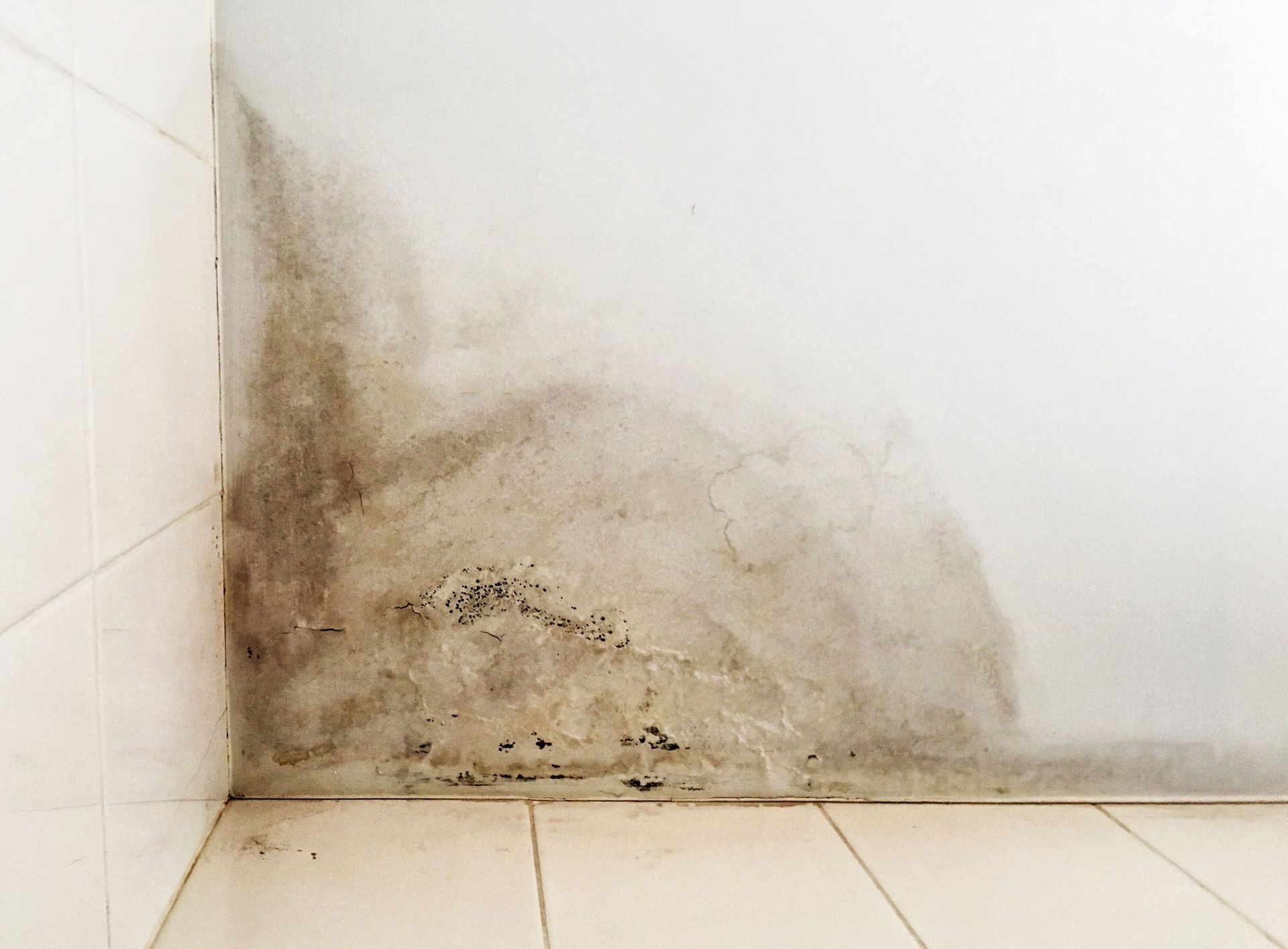
After that, the work shifts to detailed cleaning and disinfection of salvageable structural surfaces. This may include tile, concrete, framing, subfloor sections, and some non-porous contents. Drying equipment is then set to bring moisture levels down fast enough to reduce further damage and microbial growth.
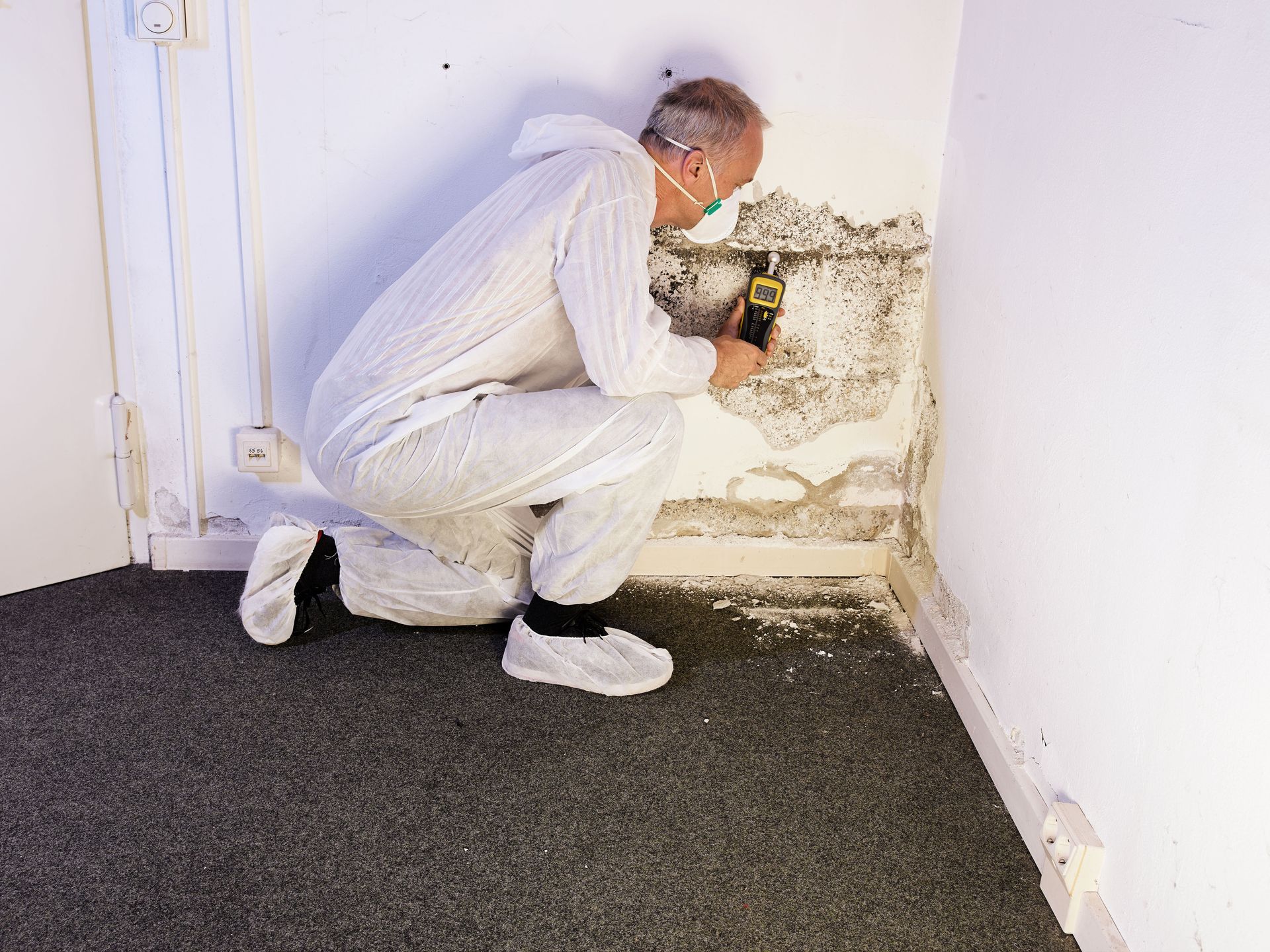
A strong restoration company will also document everything. Photos, moisture readings, affected materials, and scope notes can help support an insurance claim. That matters when homeowners are already dealing with damage, health concerns, and unexpected costs.
Can Insurance Cover a Sewage Backup?
Sometimes, but not always. Coverage depends on the cause of the backup and the details of your policy.
Many homeowners policies do not automatically cover sewer backup unless you added a specific endorsement. Damage from sudden backup may be covered under that added protection, while long-term neglect or maintenance issues usually are not. If the event is tied to flooding from outside rising water, that can fall under a different type of policy entirely.
This is one reason homeowners benefit from a restoration company that knows how to document losses clearly and communicate with insurance adjusters. In a stressful emergency, that support can save time and reduce confusion.
How to Protect Your Home After Cleanup
Once the emergency is under control, prevention becomes the next step. Not every backup can be prevented, but some risks can be reduced.
If your home has had repeated sewer issues, schedule a plumbing inspection and consider a camera scope of the main line. That can reveal root intrusion, sagging pipe sections, or buildup that is likely to cause another event. If heavy rain tends to trigger problems, ask whether a backwater valve is appropriate for your property.
Inside the home, be careful about what goes down drains and toilets. Wipes, grease, paper towels, and hygiene products are common culprits even when labels suggest otherwise. In homes with older plumbing, small habits make a big difference.
For Southwest Florida homeowners, storm season adds another layer. Saturated ground and stressed municipal systems can increase backup risk during heavy weather. If your home is low-lying or has a history of drainage issues, it is worth reviewing your insurance and plumbing safeguards before the next major storm hits.
When to Call Right Away
If sewage has entered your home, the clock is already running. Call immediately if wastewater is touching flooring, baseboards, cabinets, drywall, or HVAC areas. The same goes for backups affecting more than one drain, repeated toilet overflows with no clear cause, or any situation where odor and contamination are spreading beyond one room.
This is not a good job for DIY cleanup and it is not a problem that improves overnight. Fast action can mean less demolition, lower restoration costs, and a safer home for your family.
FloStop Restoration LLC responds to sewage emergencies with the urgency these losses demand – rapid dispatch, certified cleanup, and help navigating the insurance side when the situation feels overwhelming.
The best next step is the one that protects your household first: stay clear of the affected area, stop the water use, and get trained help on site before contamination spreads any further.
The post How to Handle Sewage Backup at Home first appeared on FloStop Restoration.