May 9, 2026
The fire is out, but the damage is still spreading.
That is the part many homeowners do not expect. Fire damage restoration is not just about removing what burned. Smoke travels into vents, soot settles into walls and fabrics, and the water used to put out the fire can keep damaging floors, drywall, and framing long after the flames are gone. The first few hours matter because every delay gives odor, staining, corrosion, and moisture more time to set in.
If your home has been through a fire, the next steps need to happen in the right order. Fast action protects the structure, improves the chance of saving belongings, and helps keep the insurance process from getting more complicated than it already is.
What fire damage restoration actually includes
A proper fire cleanup is broader than most people think. Burned materials are only one piece of the loss. In many cases, smoke and soot reach rooms the fire never touched, and water damage becomes a second emergency inside the first one.
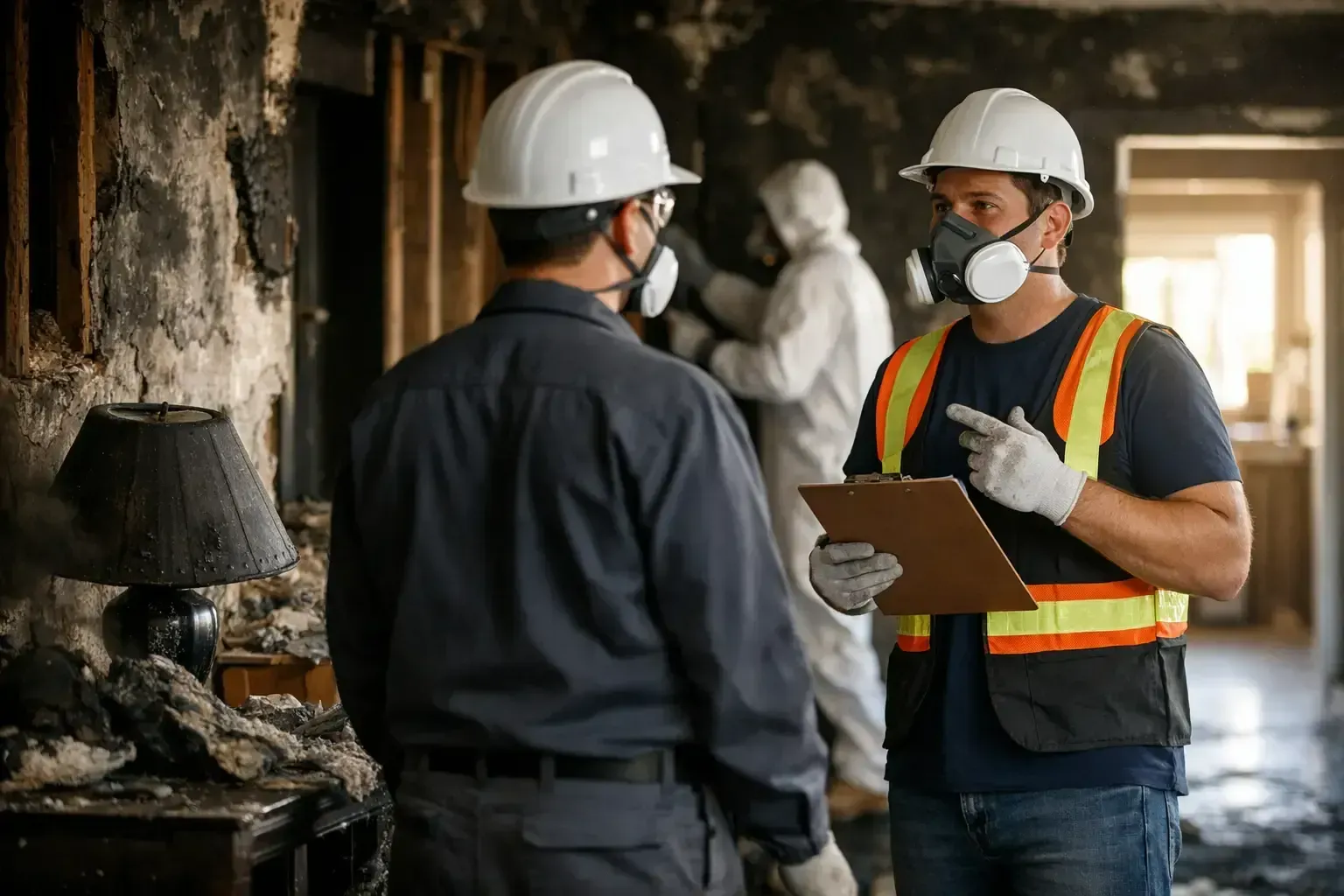
Fire damage restoration usually starts with a full inspection of structural damage, smoke migration, soot residue, and moisture levels. From there, the work may include emergency board-up, roof tarping, water extraction, drying, debris removal, soot cleanup, odor treatment, content cleaning, and repair or rebuild planning. The exact scope depends on what burned, how hot the fire got, how long it lasted, and how much water was used during suppression.
A kitchen fire, for example, may leave heavy grease-based residue that behaves differently than residue from a bedroom or electrical fire. A small contained fire can still create major odor and smoke damage throughout the home. That is why a quick visual check is not enough.
The first 24 hours matter most
After a fire, people naturally focus on what looks worst. The charred cabinets, the broken windows, the blackened ceiling. But the less visible damage can create just as many problems if it is not addressed immediately.
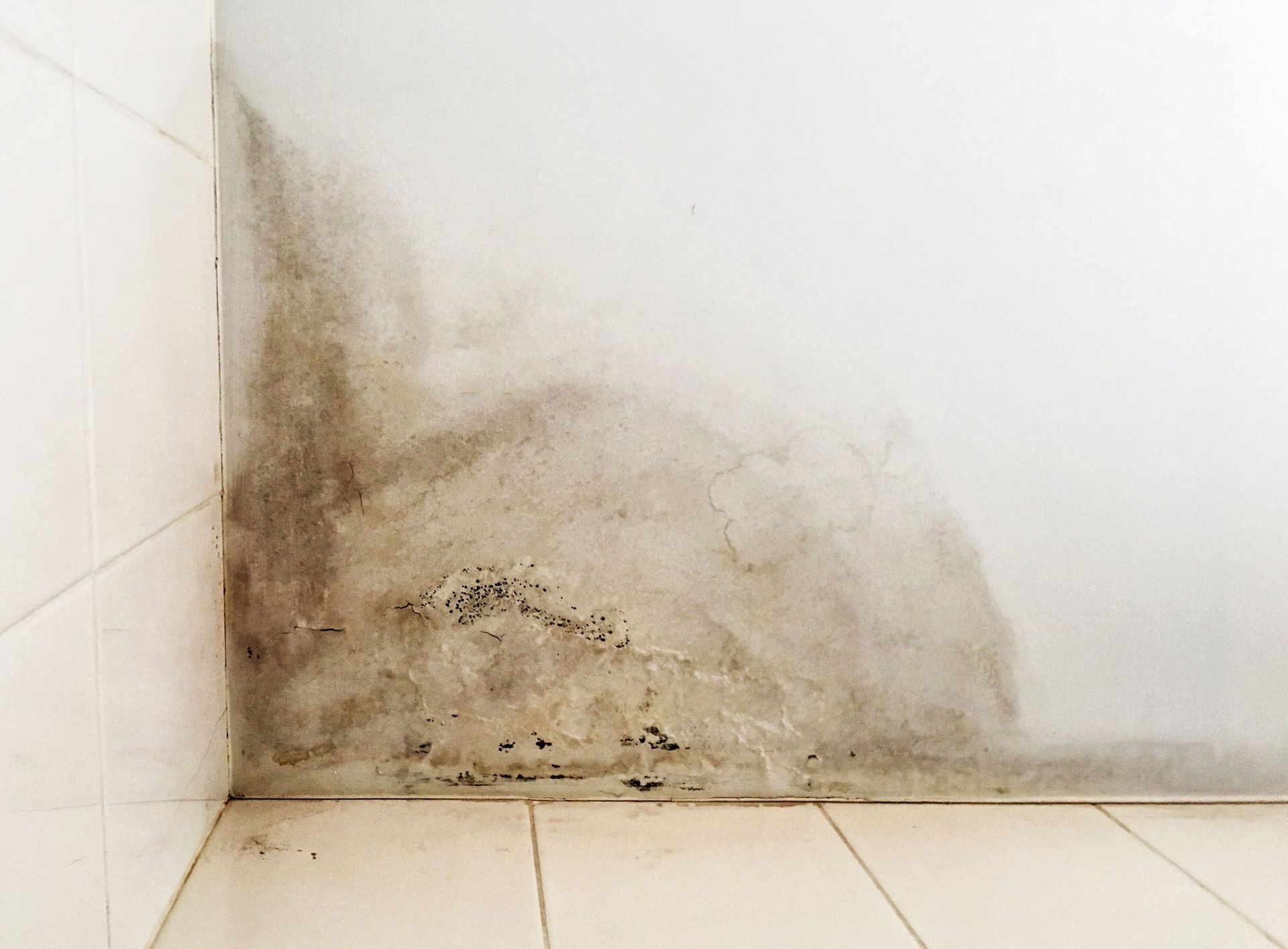
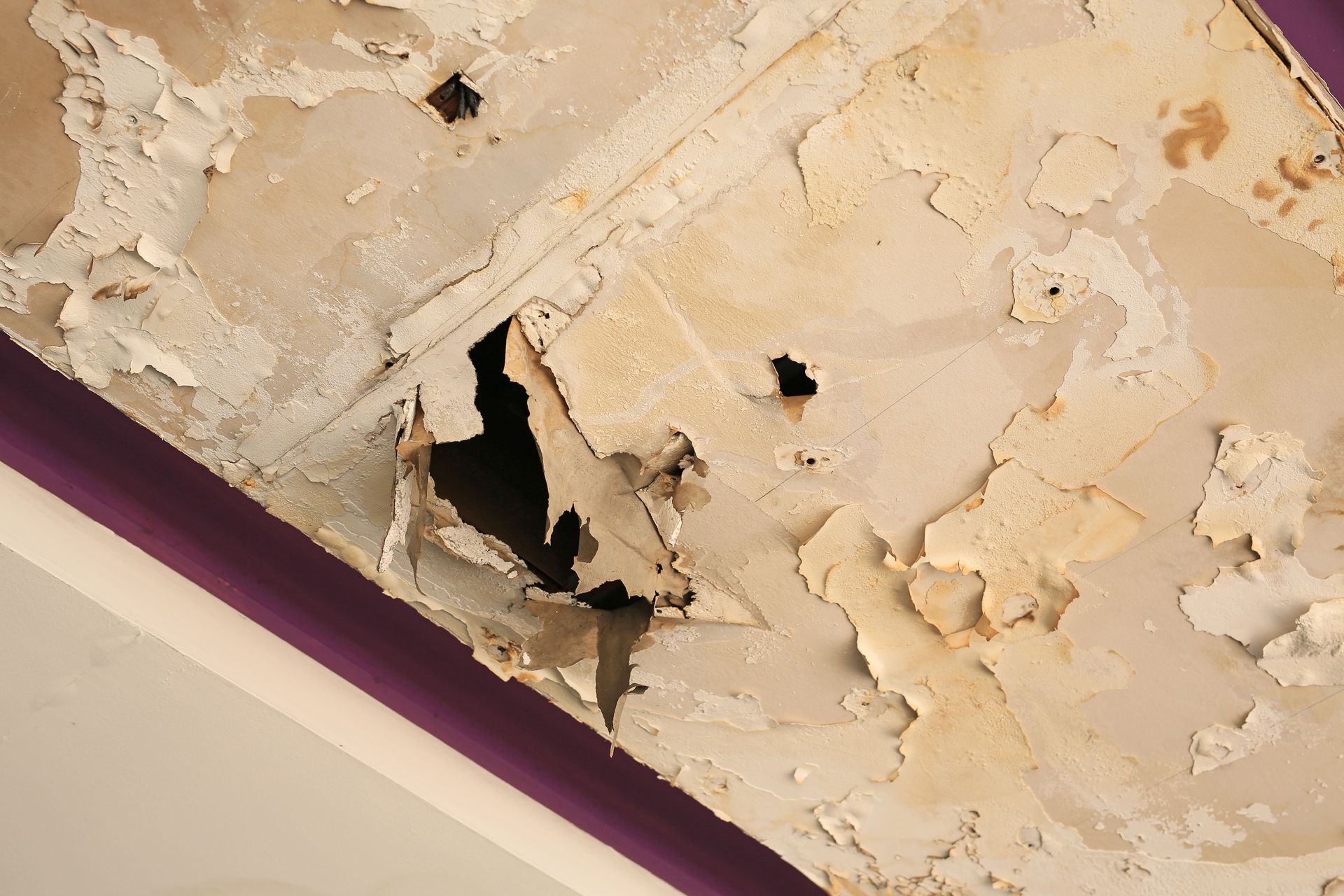
Soot is acidic. It can discolor paint, etch metal, stain stone, and damage electronics. Smoke particles settle into porous materials and keep releasing odor. Water used by firefighters can soak insulation, subfloors, and wall cavities, creating swelling, warping, and mold risk if drying does not begin quickly.
This is why emergency response matters. A restoration crew should secure the property, identify safety concerns, begin moisture control, and stop the damage from spreading. In a humid region like Southwest Florida, that window is even tighter because residual moisture and heat can accelerate secondary damage fast.
What to do right after a house fire
Once everyone is safe and the fire department has cleared the property, avoid going back inside without approval. Structures can be unstable, and smoke residue is not something you want to breathe or spread through the house.
If possible, document the damage with photos and video before cleanup starts. Contact your insurance carrier promptly and ask what they need for the claim. Then call a restoration company that can respond right away and coordinate the mitigation side of the loss.
Try not to handle soot-covered items on your own. Wiping surfaces with the wrong product can smear residue deeper into materials and make staining worse. Running your HVAC system can also spread smoke particles into clean areas. If electricity or utilities were affected, wait for professional guidance before turning anything back on.
Fire damage restoration step by step
Emergency stabilization
The first priority is making the property safe. That can mean boarding up openings, tarping exposed roof sections, and checking for immediate hazards. Stabilization also helps prevent theft, weather intrusion, and further contamination.
Water removal and drying
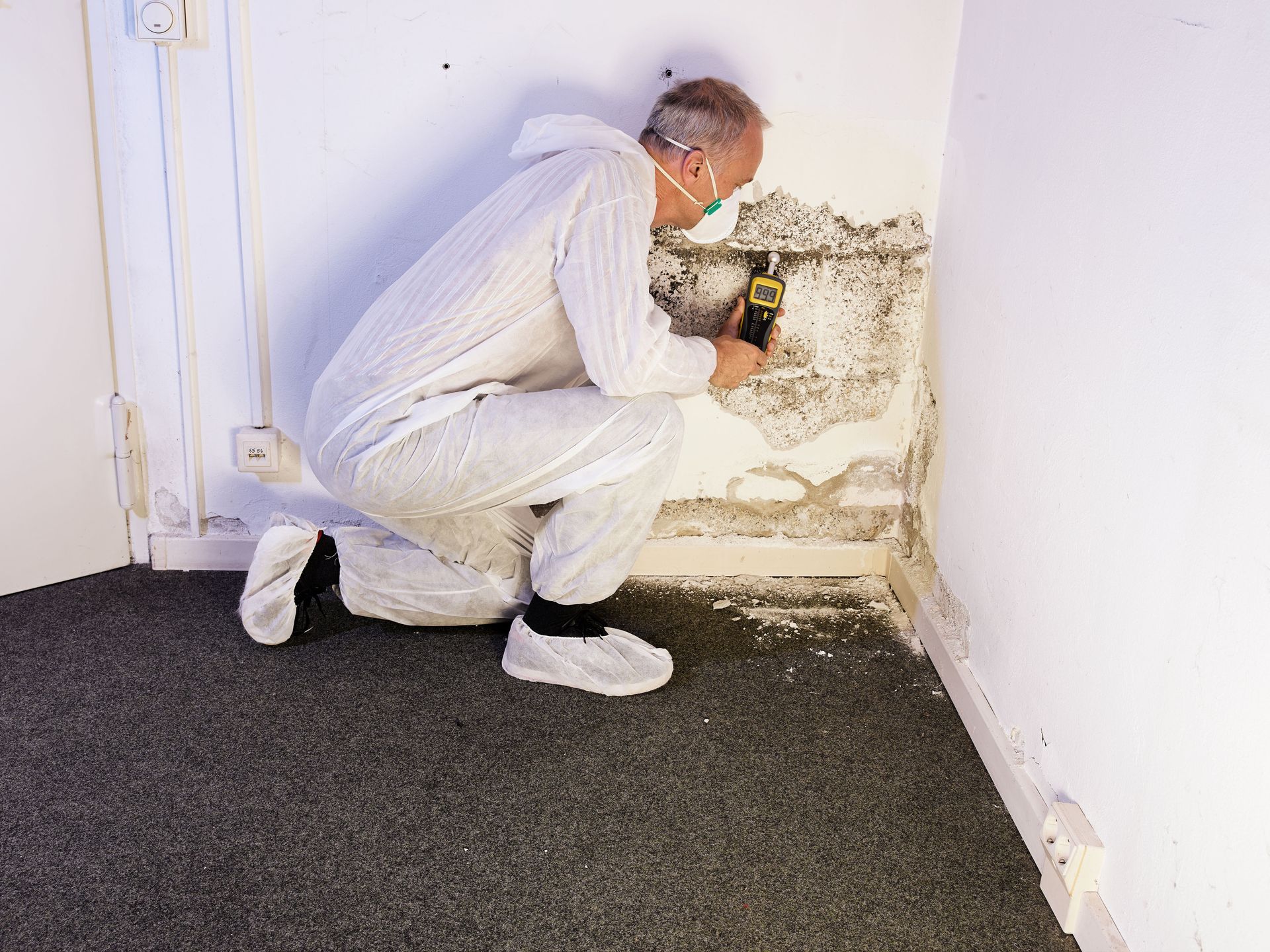
Many fire losses come with soaked flooring, wet drywall, and standing water. Extraction and drying have to start quickly, often at the same time as fire cleanup planning. Moisture meters, air movers, and dehumidification equipment are used to dry the structure before hidden water causes additional damage.
Soot and smoke cleanup
This part is specialized work. Different fire residues require different cleaning methods. Dry soot, oily soot, protein residue, and debris from synthetic materials all behave differently. Using the wrong technique can set stains or damage surfaces.
Technicians clean structural surfaces, contents, and affected systems with products and methods suited to the residue type. That may include HEPA vacuuming, dry chemical sponges, wet cleaning, or controlled demolition where materials cannot be salvaged.
Odor removal
Covering smoke smell is not restoration. True odor treatment means removing the source particles and treating affected spaces so the smell does not come back when humidity rises or air starts moving again. Depending on the loss, that may involve thermal fogging, air scrubbing, or other deodorization methods.
Repairs and reconstruction
Once mitigation is complete, the focus shifts to repair. Some homes need minor drywall and paint work. Others require partial rebuilds, new flooring, insulation replacement, cabinetry work, or full-room restoration. The right path depends on what can be cleaned safely and what has to be replaced.
What can usually be saved, and what cannot
This is where experience matters. People often assume everything near the fire is a total loss, while hidden damage in other rooms gets overlooked.
Non-porous items and some hard surfaces can often be restored if cleaning starts early. Certain furniture, textiles, and personal contents may also be salvageable, especially when smoke exposure was light to moderate. On the other hand, heavily charred structural materials, smoke-saturated insulation, and items with deep permanent residue may need replacement.
There is no honest one-size-fits-all answer. It depends on heat exposure, soot type, material porosity, and how quickly treatment begins. A trustworthy restoration team should explain the trade-offs clearly, not promise to save everything and not write off salvageable materials too quickly.
Insurance claims and why coordination matters
A fire loss is stressful enough without chasing paperwork, approvals, and estimates on your own. One of the most helpful parts of professional restoration is having a team that documents damage properly and works in step with the insurance process.
That usually means detailed photos, moisture readings, room-by-room scope notes, and itemized records of mitigation work. Good documentation helps support the claim and reduces confusion about what was caused by flame, smoke, soot, or water.
It also helps when your restoration company understands how emergency services fit into insurance billing. Homeowners often worry that urgent response means large upfront costs with no clear path to reimbursement. The process is not always simple, but clear communication early on can reduce delays and surprises.
Choosing the right fire damage restoration company
When your home has fire and smoke damage, speed matters, but so does capability. The company you call should be able to handle emergency mitigation, moisture control, soot cleanup, odor removal, and insurance documentation without leaving major gaps between steps.
Look for certified technicians, 24/7 availability, and a clear emergency response process. Ask how quickly they can arrive, whether they handle both fire and water damage, and how they communicate with insurance carriers. A family-owned local company can also be a real advantage because responsiveness and accountability tend to matter more when the team actually serves your community year-round.
In Southwest Florida, where heat and humidity can complicate recovery, fast dispatch is not just a convenience. It helps limit the compounding damage that follows a fire. Companies like FloStop Restoration LLC build their response around that reality, with emergency service designed to move quickly from stabilization to cleanup and claim support.
Common mistakes that make fire damage worse
The biggest mistake is waiting too long to start mitigation. Smoke residue does not sit still, and water from firefighting efforts keeps working against the structure until drying begins.
Another common problem is trying to clean visible soot with household products. That often spreads residue and drives odor deeper into surfaces. Throwing away contents too early can also hurt an insurance claim, while keeping unsalvageable smoke-damaged materials in the home can prolong odor and contamination.
Finally, do not assume the damage is limited to the room where the fire started. Smoke follows airflow, and HVAC systems, attic spaces, and nearby closets can all hold residue even when they look mostly untouched.
When to call for help
If there is visible soot, smoke odor, water from suppression efforts, or any question about structural or air quality issues, the time to call is now. Fire damage restoration works best when it begins before residue settles further and before moisture creates a second round of problems.
A house fire turns normal routines upside down in a matter of minutes. The right response will not erase that overnight, but it can protect what is still salvageable, make the claim process easier to manage, and help your home start feeling like home again.
The post Fire Damage Restoration: What Happens Next first appeared on FloStop Restoration.