May 11, 2026
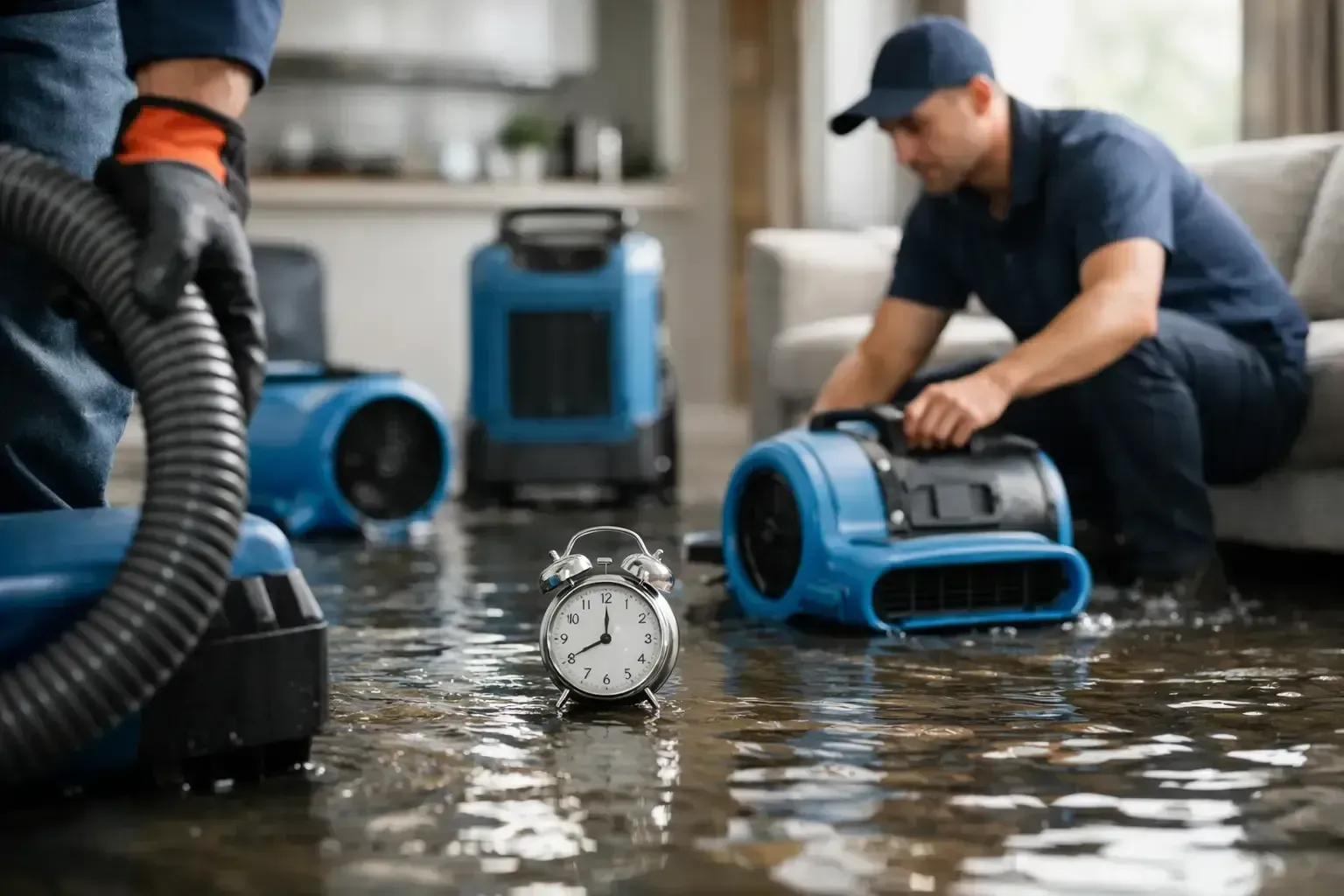
A pipe bursts at 2 a.m. The AC pan overflows on a Sunday. Stormwater starts pushing under the door before sunrise. In those moments, 24 hour water restoration is not a convenience – it is the difference between a contained cleanup and a much larger loss.
Water moves fast, especially in Florida homes where humidity is already working against you. It seeps under flooring, into baseboards, behind cabinets, and inside wall cavities before the damage is obvious from the surface. Waiting until business hours can mean warped floors, swelling drywall, electrical hazards, mold growth, and a much harder insurance claim.
Why 24 hour water restoration matters
The first few hours after water damage are where the biggest decisions get made, even if no one is making them on purpose. Water is either being removed or it is continuing to spread. Materials are either being dried correctly or they are absorbing more moisture. A homeowner is either documenting the damage and getting help, or losing time.
That is why emergency response matters so much. Fast action helps limit structural damage, protects personal belongings when possible, and reduces the chance that a clean water loss turns into a contamination issue. A small supply-line leak can stay relatively manageable if it is addressed quickly. Leave it overnight, and the same event can affect flooring, trim, drywall, insulation, and even nearby rooms.
There is also the health side of the equation. Not all water is equal. Clean water from a broken line is one thing. Gray water from appliances or black water from sewage backups is another. The longer contaminated water sits, the more serious the cleanup becomes.
What happens during a 24 hour water restoration response
When you call for emergency service, the goal is simple: stop the source, remove the water, dry the structure, and document everything clearly. Good restoration work is not just about showing up with fans. It starts with control.
First, the crew identifies the water source and makes sure the area is safe. That can mean shutting off the main water line, evaluating electrical risks, and isolating affected spaces. If the damage came from a storm, roof leak, or plumbing failure that is still active, immediate mitigation comes before anything cosmetic.
Next comes extraction. Standing water is removed using commercial equipment that can pull moisture far faster than household tools. Shop vacs and towels help on the margins, but they are not enough when water has reached subfloors, padding, cabinetry, or wall systems.
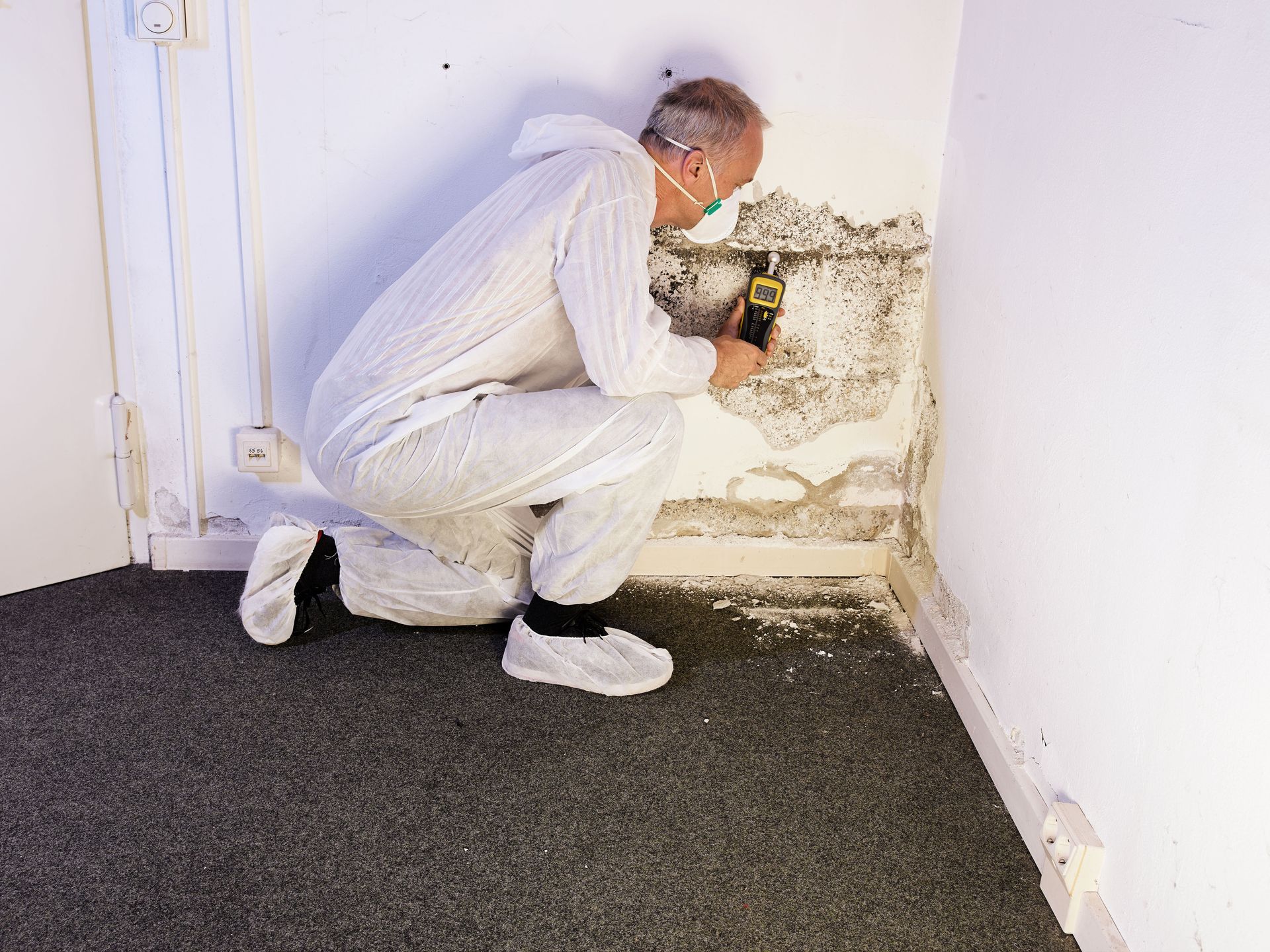
After extraction, technicians assess moisture levels in the structure. This is one of the biggest differences between emergency restoration and ordinary cleanup. Materials can look dry and still hold damaging moisture inside. Professionals use moisture meters and thermal imaging to find hidden wet areas that would otherwise be missed.
Then the drying plan begins. Air movers, dehumidifiers, and controlled airflow are placed based on the affected materials and the size of the loss. Drying is not one-size-fits-all. Hardwood, tile assemblies, drywall, insulation, and carpet all behave differently. In Southwest Florida, high ambient humidity adds another layer of difficulty, which is why proper equipment and monitoring matter.
24 hour water restoration is more than water removal
One of the most common misunderstandings after a loss is assuming the job is done once the visible water is gone. It is not. Water damage restoration is about preventing secondary damage.
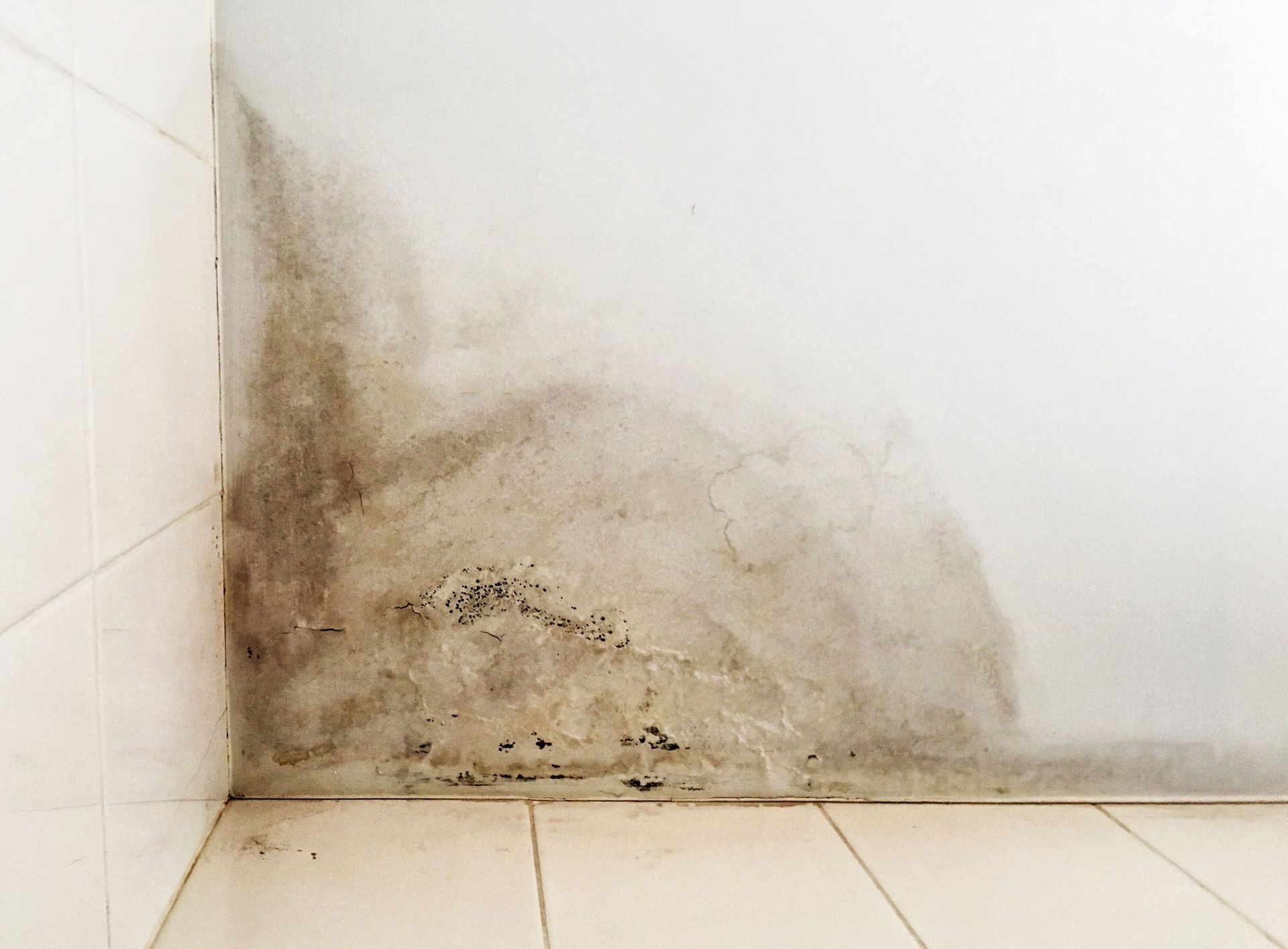
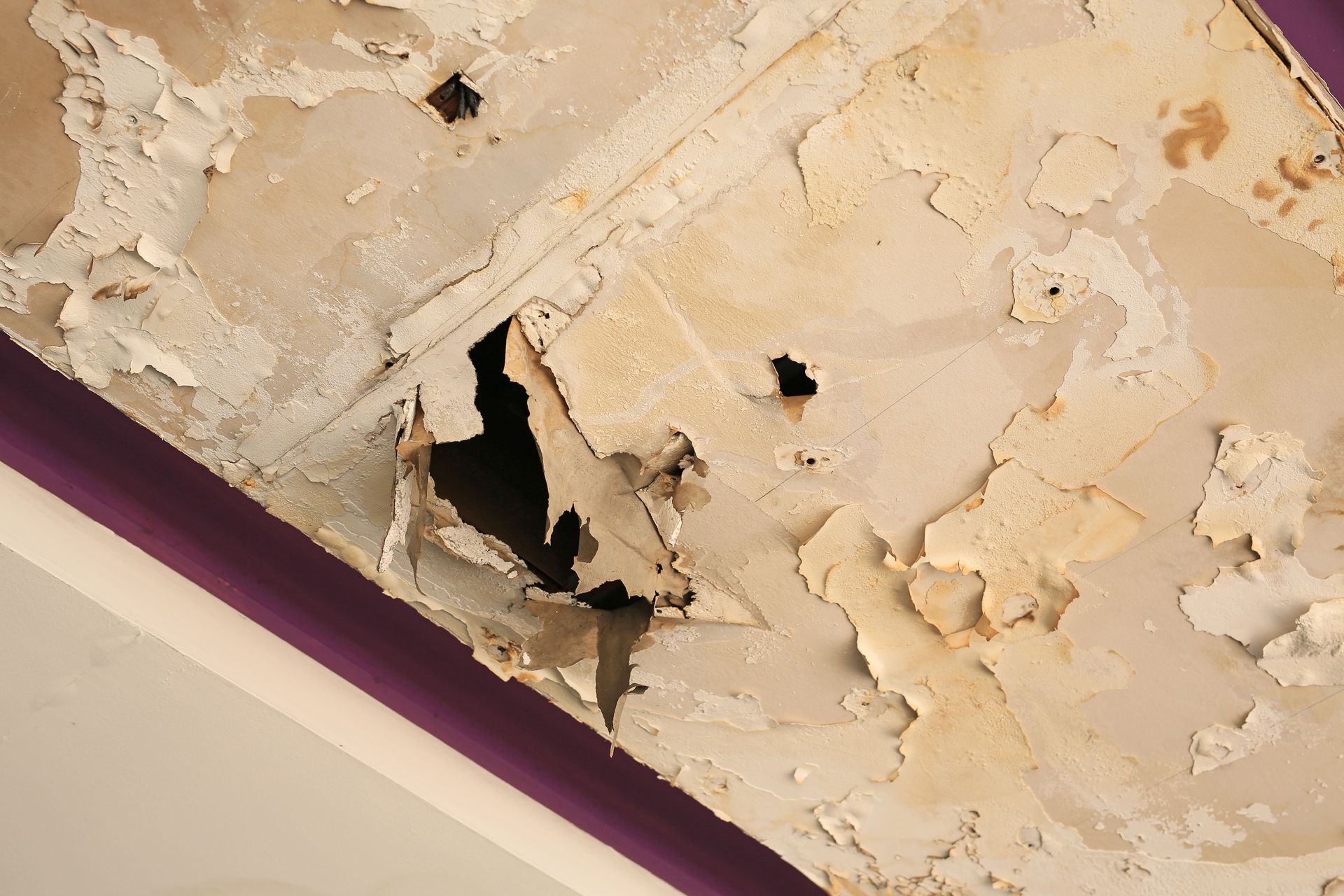
Secondary damage is what turns a stressful event into a costly one. Floors cup. Paint bubbles. Cabinets delaminate. Odors develop. Mold begins to grow in damp areas that were never fully dried. These problems often do not show up right away, which is why fast professional mitigation can save far more than it costs.
The right restoration team also documents the loss from the start. Photos, moisture readings, affected material notes, and equipment logs can all support the insurance process. For homeowners already dealing with a flooded kitchen, soaked carpet, or damaged ceilings, that kind of organization matters. It reduces confusion and helps move the claim in the right direction.
When you should call immediately
Some water events are obviously emergencies. Others get delayed because the damage seems minor at first. That delay is where problems grow.
You should treat it as urgent if water has affected drywall, wood flooring, cabinets, insulation, ceilings, or more than a small isolated area. The same goes for sewage backups, storm intrusion, repeated leaks, musty odors after a water event, or any moisture that has been sitting for several hours. If you are unsure whether it is serious, that is usually the point when a professional inspection helps most.
A slow leak under a sink may look manageable until you realize the cabinet base is swollen and the wall behind it is wet. An upstairs toilet overflow may seem contained to one bathroom until staining appears on the ceiling below. Water often travels farther than people expect.
What homeowners can do before help arrives
If it is safe, shut off the water source. If electricity may be affected, do not step into standing water or handle outlets and appliances in the impacted area. Move lightweight items, rugs, and valuables away from the wet zone if you can do so safely.
Try not to use household fans to blow contaminated water around, especially after sewage or stormwater intrusion. And avoid tearing out materials too early unless there is an immediate hazard. Premature demolition can make documentation harder and, in some cases, create a bigger mess than necessary.
Take photos and videos. Keep a simple record of what happened and when you noticed it. If you know the source, note that too. This can help both the restoration team and the insurance adjuster later.
How fast response can affect the insurance process
Insurance questions start almost as soon as the water appears. Is this covered? What do I pay upfront? Do I need to choose my own mitigation company? The details depend on the policy and the cause of loss, but one thing stays consistent: carriers expect homeowners to take reasonable steps to prevent further damage.
That is another reason 24 hour water restoration matters. Prompt mitigation shows that the property owner acted responsibly. It also creates a documented timeline, which helps when there are questions about what was damaged by the original event versus what happened later because drying was delayed.
A restoration company that works with insurance claims regularly can often make the process less overwhelming. Clear documentation, direct communication, and a practical understanding of emergency mitigation standards help reduce back-and-forth at a time when families already have enough to manage.
Choosing the right 24 hour water restoration company
In an emergency, people understandably call the first number they find. Speed matters, but so does capability. A real emergency restoration company should be ready to respond quickly, inspect thoroughly, use commercial drying equipment, and explain the plan in plain language.
Look for certified technicians, clear communication, and a company that understands both mitigation and the insurance side of the job. Local ownership can also make a difference. In Southwest Florida, where heavy rain, plumbing failures, and humidity-driven damage are common, a local team understands the conditions that make drying more challenging.
This is also where honesty matters. Not every loss requires the same level of demolition, and not every wet material must automatically be removed. Good restoration work balances urgency with judgment. The goal is to save what can be saved, remove what cannot, and keep the problem from spreading.
FloStop Restoration LLC is built around that emergency mindset – fast dispatch, certified response, and practical support for homeowners who need help now, not later.
The real cost of waiting
The biggest mistake after water damage is hoping it will dry on its own. Sometimes surfaces do dry. The hidden areas are the problem. Moisture trapped under flooring, inside walls, behind baseboards, or in cabinetry does not resolve just because the room feels less wet the next day.
By the time staining, odor, or mold appears, the damage has already had time to settle in. What could have been a straightforward mitigation job becomes a more invasive restoration project. That means more disruption, more material loss, and often more stress for the people living in the home.
When water enters your property, the clock starts immediately. The right response in the first hours can protect your home, your health, and your budget – and that peace of mind is worth acting on right away.
The post 24 Hour Water Restoration When Minutes Matter first appeared on FloStop Restoration.