April 27, 2026
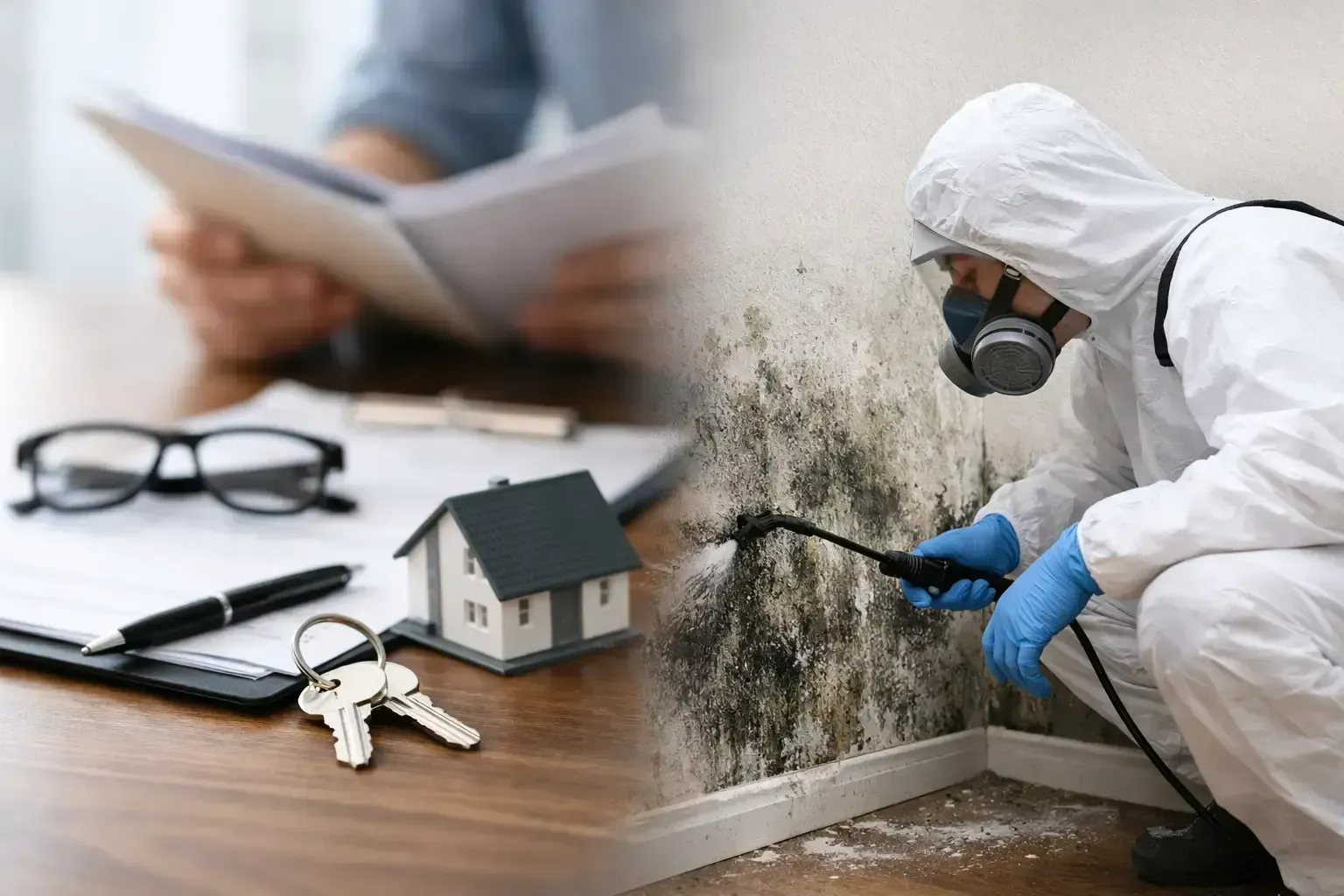
When mold shows up after a leak, a storm, or a pipe burst, one of the first questions homeowners ask is simple: will insurance cover mold removal? The frustrating answer is that sometimes it will, and sometimes it will not. Coverage usually depends on what caused the mold, how quickly the damage was addressed, and what your policy specifically excludes.
That means the mold itself is often not the real issue. The cause is. Insurance companies usually look at whether the mold came from a sudden, covered event or from a problem that built up over time.
Will insurance cover mold removal after water damage?
In many cases, homeowners insurance may cover mold removal if the mold resulted from a sudden and accidental covered loss. A burst pipe, an appliance supply line failure, or storm-related water intrusion may fall into that category. If water damage is covered, the resulting mold remediation may also be covered, at least in part.
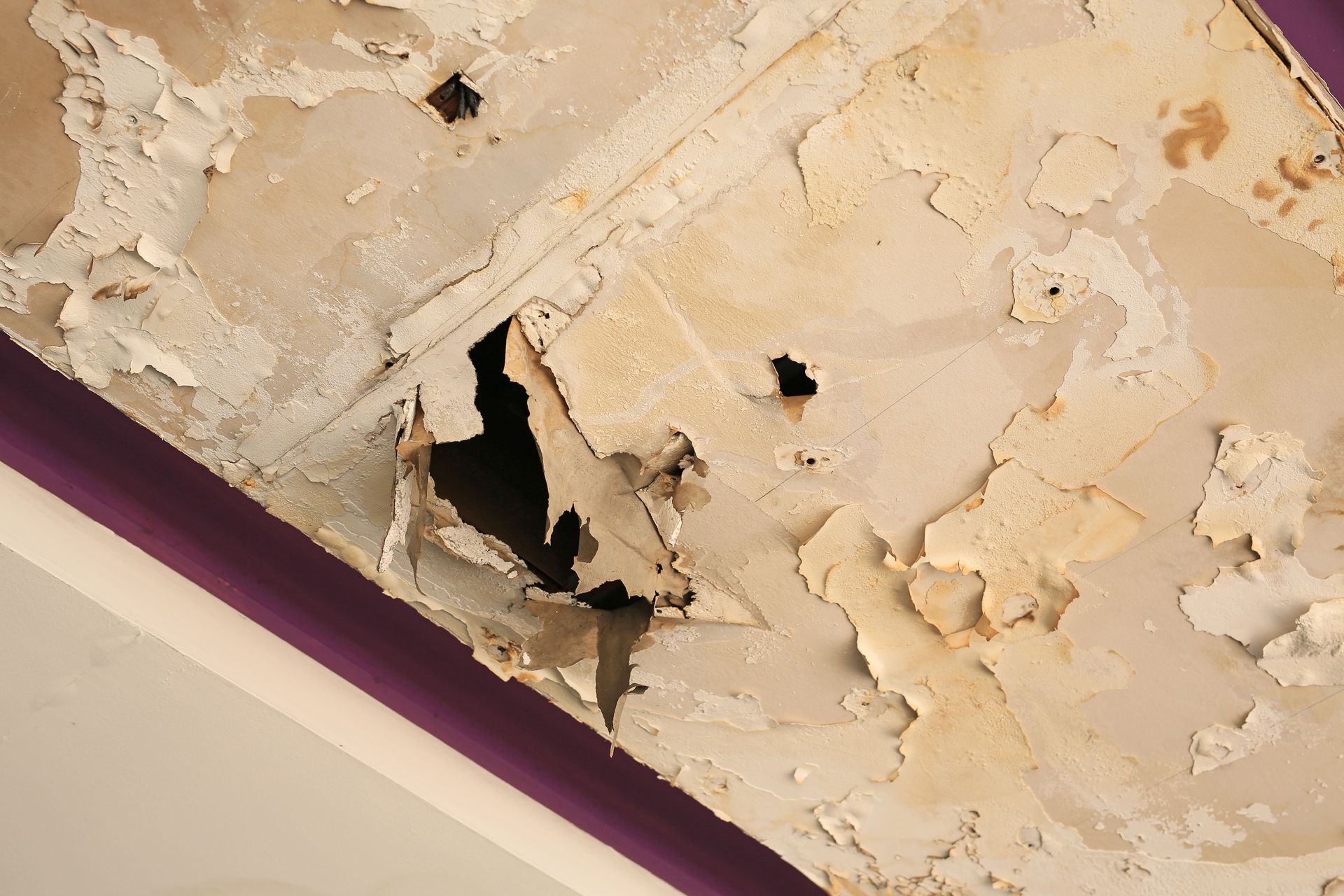
This is where timing matters. If a pipe breaks in your wall and you act quickly to stop the water and start drying, your insurer is more likely to see the mold as a direct result of a covered event. If that same leak continues for weeks or months before anyone responds, the claim may be denied as a maintenance issue.
Most policies are not designed to pay for damage caused by neglect, long-term moisture, or unresolved humidity problems. In Florida, that distinction matters a lot because mold often spreads fast in warm, damp conditions.
What usually makes mold damage covered or not covered
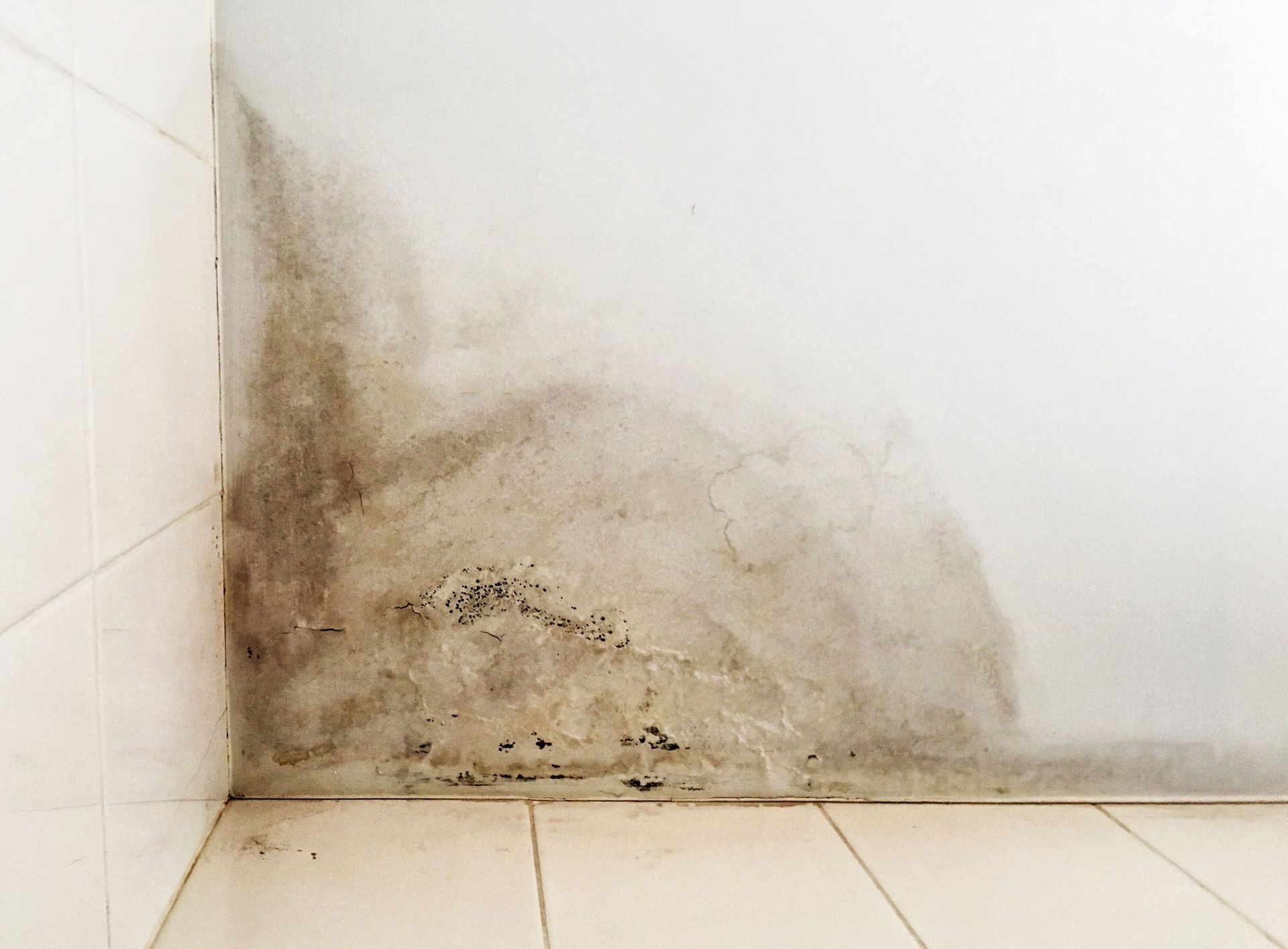
The biggest factor is whether the water event was sudden and accidental. Insurance is generally intended for unexpected losses, not preventable wear and tear. If mold forms because a washing machine hose suddenly fails, that may be covered. If mold forms because your shower has been leaking behind the tile for a year, that usually is not.
Insurers also ask whether you took reasonable steps to reduce further damage. Homeowners have a duty to protect the property after a loss. That can mean shutting off water, removing wet materials, arranging drying services, and documenting the damage. Waiting too long can hurt your claim, even if the original cause was covered.
Policy language matters too. Some policies include limited mold coverage with a dollar cap. Others exclude mold unless you add an endorsement. It is common to see mold sublimits that are much lower than the overall dwelling limit, which can catch homeowners off guard.
Common situations where insurance may cover mold removal
There are several scenarios where mold remediation has a better chance of being covered. One is a pipe burst under a sink or behind a wall. Another is overflow from an appliance, like a dishwasher or washing machine, if the failure was sudden. Roof leaks caused directly by a covered storm event can also lead to a covered mold claim in some cases.
Air conditioning issues can be more complicated. If an AC system suddenly fails and creates water damage, there may be a path to coverage. But if mold is tied to long-term humidity, poor maintenance, or slow condensation, insurers often push back.
The same goes for water intrusion around windows or roofs. If the opening was created by a sudden storm event, coverage may apply. If the home has had worn seals or unresolved exterior issues for a long time, the carrier may classify the damage as maintenance-related.
When insurance usually will not pay
Mold claims are often denied when the insurer believes the problem developed gradually. Long-term leaks, repeated seepage, poor ventilation, deferred repairs, and chronic humidity are common reasons for denial. Flooding is another major issue. Standard homeowners insurance does not usually cover flood damage, so if mold came from rising water, coverage may not apply unless you have separate flood insurance.
That is an especially important point for homeowners in Southwest Florida. After heavy rain, storm surge, or water intrusion from outside the structure, people often assume their regular homeowners policy will handle everything. It may not. The source of the water matters as much as the damage itself.
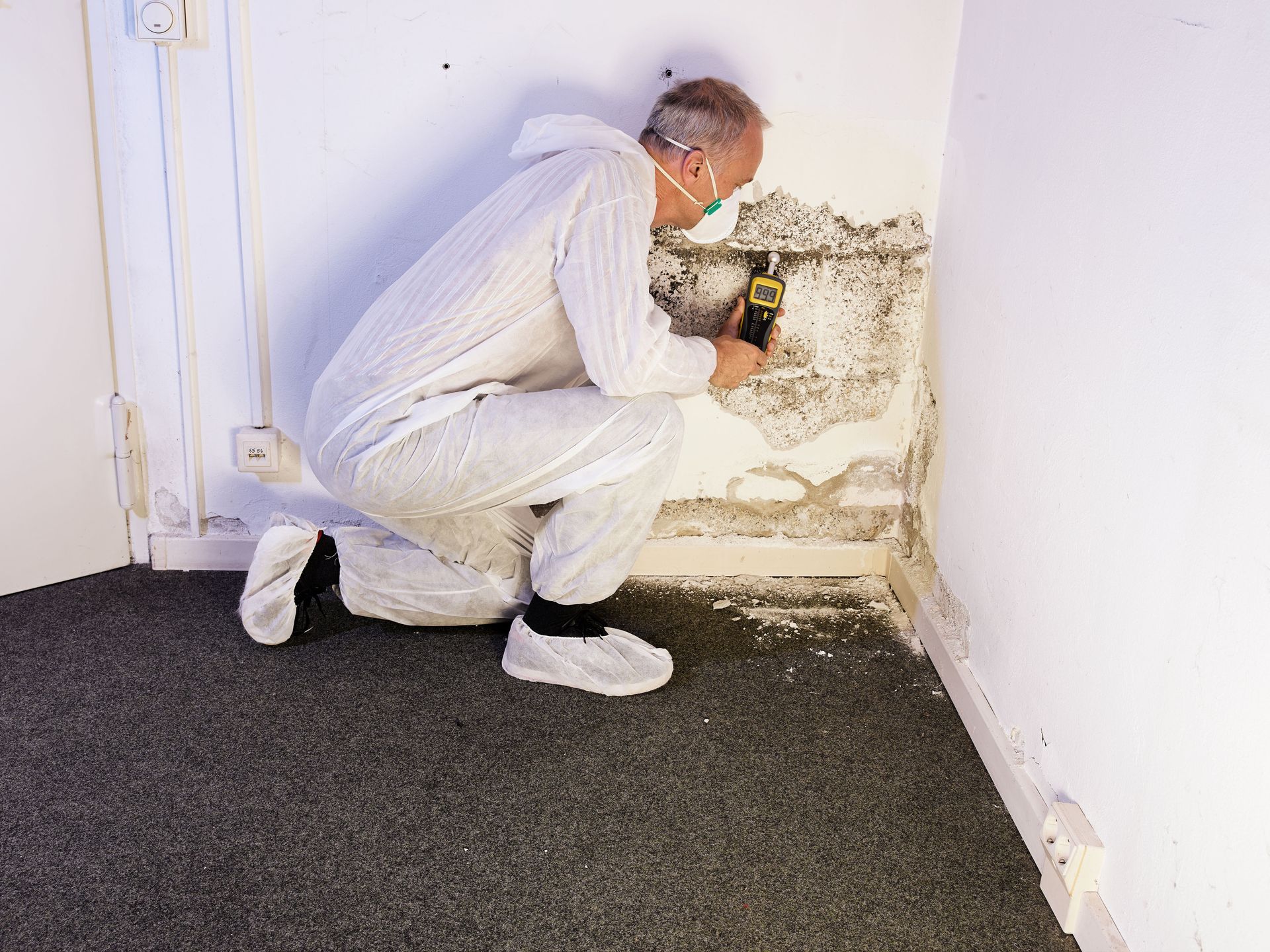
Another sticking point is cleanup beyond what the insurer sees as necessary. A policy may cover limited mold remediation in the affected area but not a broader project unless testing and damage documentation support it. This is one reason professional inspection and moisture mapping can make a real difference.
What your homeowners policy may actually pay for
If mold removal is covered, the policy may pay for more than just cleaning visible growth. Depending on the claim, covered costs can include water extraction, drying, removal of damaged materials, containment, air filtration, antimicrobial treatment, and repairs to restore the affected area.
But there may still be limits. Some policies cap mold-related coverage at a specific amount, such as $5,000 or $10,000, even if the full water damage claim is larger. That may not go far if mold has spread into drywall, flooring, cabinetry, or HVAC components.
There is also a practical difference between remediation and restoration. Remediation is the removal and treatment of mold contamination. Restoration is putting the home back together afterward. A homeowner may assume both are fully covered, but insurers may evaluate them separately.
What to do right away if you find mold
First, address the moisture source. If there is an active leak, shut off the water or contain it as best you can. Then document everything. Take clear photos of the visible mold, water damage, staining, damaged materials, and the source if it is visible.
Next, report the loss to your insurance carrier as soon as possible if you believe the mold came from a covered event. Delays can create problems. Keep records of when the damage was discovered, when the leak or moisture issue likely began, and what emergency steps were taken.
This is also the point where many homeowners benefit from bringing in a professional restoration company. A qualified team can identify the source, measure hidden moisture, document the extent of damage, and start mitigation before the problem spreads. In urgent cases, that speed can help protect both the home and the insurance claim.
Questions to ask your insurance company
When you open a claim, ask direct questions. Is mold remediation covered under this loss? Is there a mold limit or sublimit? What documentation do you need? Do you require inspection before mitigation begins, or should emergency drying start immediately?
You should also ask whether temporary measures to prevent more damage are reimbursable. In many claims, emergency mitigation is expected, not optional. Getting that clarified early helps avoid confusion later.
If your insurer sends an adjuster, be ready to show photos, invoices, moisture readings if available, and a clear timeline. The stronger the documentation, the easier it is to show that the mold resulted from a sudden event rather than long-term neglect.
Why fast response matters with mold claims
Mold is not a damage category that improves with time. In Florida homes, growth can begin quickly after water intrusion, and what starts in one wall cavity can spread into insulation, baseboards, flooring, and adjacent rooms. Insurance companies know this, which is why they expect homeowners to act promptly.
Fast mitigation does two things. It reduces health and property risks, and it helps demonstrate that you took reasonable steps to prevent additional damage. That matters whether the claim is fully approved, partially approved, or disputed.
A local emergency restoration team that understands insurance paperwork can also help keep the process moving. Companies like FloStop Restoration work directly with homeowners and carriers during water and mold losses, which can take some pressure off during an already stressful situation.
The short answer homeowners need
So, will insurance cover mold removal? It can, but usually only when the mold is tied to a covered, sudden water loss and the homeowner responded quickly. If the mold came from long-term leaks, humidity, deferred maintenance, or flooding without separate flood coverage, the odds of denial are much higher.
The best move is to treat mold as both a property emergency and an insurance issue. Stop the moisture, document the damage, report the claim, and get qualified help fast. When the cause is clear and the response is immediate, you give yourself the best chance of protecting both your home and your wallet.
If you are staring at stained drywall, a musty smell, or visible growth after water damage, do not wait for it to sort itself out. Mold rarely gets smaller, cheaper, or easier to explain to an insurance adjuster with time.
The post Will Insurance Cover Mold Removal? first appeared on FloStop Restoration.