April 29, 2026
The first few hours after a flood can cost you twice – once in property damage and again in claim mistakes. Insurance claims after flooding often get harder when water sits too long, photos are missed, or damaged materials are removed before they are documented. If your home has taken on water, the goal is simple: protect the property, protect your health, and protect your claim.
That means acting fast without creating new problems. You want the water stopped, the damage recorded, and the right people involved before moisture turns into mold, warped flooring, or a dispute about what happened and when.
What insurance claims after flooding usually depend on
Homeowners are often surprised to learn that not all water damage is treated the same. A sudden pipe break inside the house may be handled very differently from storm surge, rising groundwater, or water entering from outside. The source of the water matters, the speed of your response matters, and your policy language matters.
This is where people get tripped up. They assume any flooding is covered because the damage is obvious. In reality, coverage can depend on whether the loss came from a covered event, whether you took reasonable steps to prevent further damage, and whether your insurer can clearly verify the extent of the loss.
A claim is stronger when the timeline is clear. When did the water enter? When was it discovered? What emergency steps were taken? What rooms were affected? If hardwood, drywall, cabinets, insulation, baseboards, or contents were wet, that should be documented early, before drying changes the visible condition.
What to do before the adjuster arrives
If the property is unsafe, do not stay inside to gather evidence. Electrical hazards, contaminated water, and weakened materials can make a flooded home dangerous very quickly. Safety comes first.
Once it is safe to enter, take wide and close photos of every affected area. Get the water line on walls, damaged flooring, wet furniture, swollen cabinets, detached baseboards, stained ceilings, and any personal items affected. Video helps too, especially when it shows the layout of the room and how far the damage spreads.
Then report the loss to your insurance company as soon as possible. Delays can complicate the process, especially if the damage gets worse over the next day or two. At the same time, start emergency mitigation. Most policies expect you to take reasonable steps to prevent further damage, which may include water extraction, removing unsalvageable materials, setting drying equipment, and stabilizing the affected area.
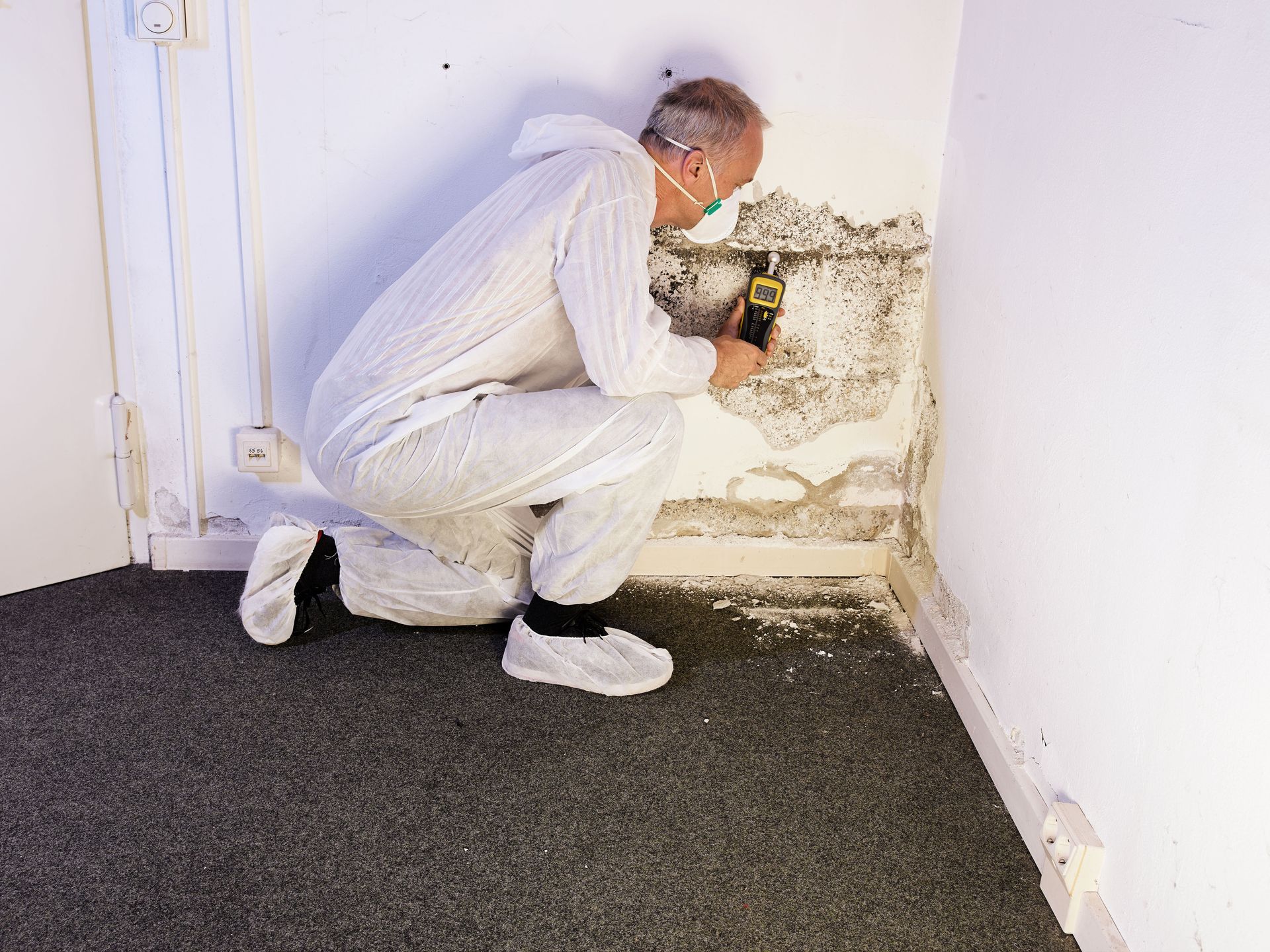
The key is balance. You do not want to leave standing water in place waiting for paperwork. But you also do not want major tear-out work done without proper documentation. A qualified restoration team can help preserve that balance by recording moisture levels, photographing conditions, and documenting what had to be removed to stop additional loss.
Why mitigation is not the same as repair
One of the biggest misunderstandings in insurance claims after flooding is the difference between emergency mitigation and reconstruction. Mitigation is the urgent work that limits additional damage – extracting water, drying materials, disinfecting where needed, and removing items that cannot be saved. Repair is the later phase that rebuilds what was damaged.
Insurance carriers often want to see that the property owner acted quickly to reduce the severity of the loss. If water sits for days and mold develops, the carrier may ask whether prompt mitigation could have reduced that outcome. That does not mean every mold issue will be denied. It means delayed action can create avoidable questions.
Fast mitigation also protects the evidence behind your claim. Moisture mapping, equipment logs, demolition records, and drying reports can help show the true extent of damage, especially when moisture has spread behind walls, under flooring, or into cabinetry where it is not obvious in a single photo.
Common issues that slow down a flood claim
Claim delays are not always caused by a difficult insurer. Sometimes the file is incomplete, the source of loss is unclear, or the property owner has already thrown away key evidence. In other cases, the damage appears smaller than it really is because surface water was removed but hidden moisture remains.
Another common issue is mixing up flood insurance with homeowners insurance. If the water came from outside the home due to rising water, storm surge, or similar flooding conditions, that may fall under a separate flood policy rather than a standard homeowners policy. If the cause was internal, like a burst supply line or appliance failure, the path may be different. This is exactly why the origin of the water should be documented early and carefully.
Contents can also create friction. Homeowners tend to focus on walls and floors first, but furniture, rugs, electronics, clothing, and keepsakes may need their own documentation. If an item is being discarded because it is contaminated or unsalvageable, photograph it before removal.
How a restoration company can help with insurance claims after flooding
When people hear “restoration company,” they often think only about cleanup crews and drying fans. In reality, the right emergency team can make the insurance side much easier. They document the damage as it exists, identify affected materials, track moisture intrusion, and provide the records that support the work performed.
That matters because adjusters do not always see the property at its worst. By the time they inspect, standing water may be gone and parts of the home may already be opened for drying. Without solid documentation, it can be harder to show what was necessary and why.
An experienced team also understands how to separate emergency work from non-emergency upgrades. That keeps the scope grounded in what the loss actually caused, which helps avoid confusion and keeps the claim moving. For homeowners in a stressful situation, that kind of coordination can remove a lot of pressure.
At FloStop Restoration LLC, this is a big part of the job. The emergency response matters, but so does helping homeowners keep the claim organized while the property is being stabilized.
Questions your insurer is likely to ask
Expect practical questions, not just paperwork. They may ask when the damage started, how you discovered it, whether the water source has been stopped, whether emergency services were performed, and whether any damaged materials were removed. They may also ask whether the home is currently livable.
Answer clearly and stick to what you know. If the exact timeline is uncertain, say that rather than guessing. If a plumber, roofer, or mitigation company identified the cause, keep those records. If a room smelled musty two days later or flooring started buckling after the initial event, update the insurer and continue documenting the changes.
This is also why receipts matter. Save invoices for emergency mitigation, temporary lodging if applicable, protective supplies, and any immediate measures taken to reduce damage. Depending on the policy and the cause of loss, some of these costs may become part of the claim review.
What homeowners should avoid after a flood
Do not wait several days to report the loss because you hope it will dry on its own. In Florida heat and humidity, that delay can make the damage much worse. Do not start replacing flooring or repainting walls before the damage is documented. And do not assume clear water is harmless water. Even clean water can turn into a bigger contamination issue if it sits.
It is also smart to avoid broad statements like “everything is ruined” or “it is probably fine.” Neither helps. Claims move better when the facts are specific. Which rooms were affected? What materials were wet? What emergency steps were taken? What changed over the next 24 to 48 hours?
The real goal is a cleaner, faster recovery
Insurance can help pay for covered loss, but it does not dry a structure, stop microbial growth, or make a home safe overnight. That is why the best claim strategy is not passive. It is immediate action with good records.
If you are dealing with water inside your home, think in this order: safety, documentation, mitigation, claim communication, and then repair. That approach gives you the best chance of reducing damage while keeping the claim on solid ground.
A flooded home feels chaotic fast. The right response brings order back quickly – and that can make all the difference between a long, stressful process and a recovery that starts moving the same day.
The post Insurance Claims After Flooding Explained first appeared on FloStop Restoration.