April 25, 2026
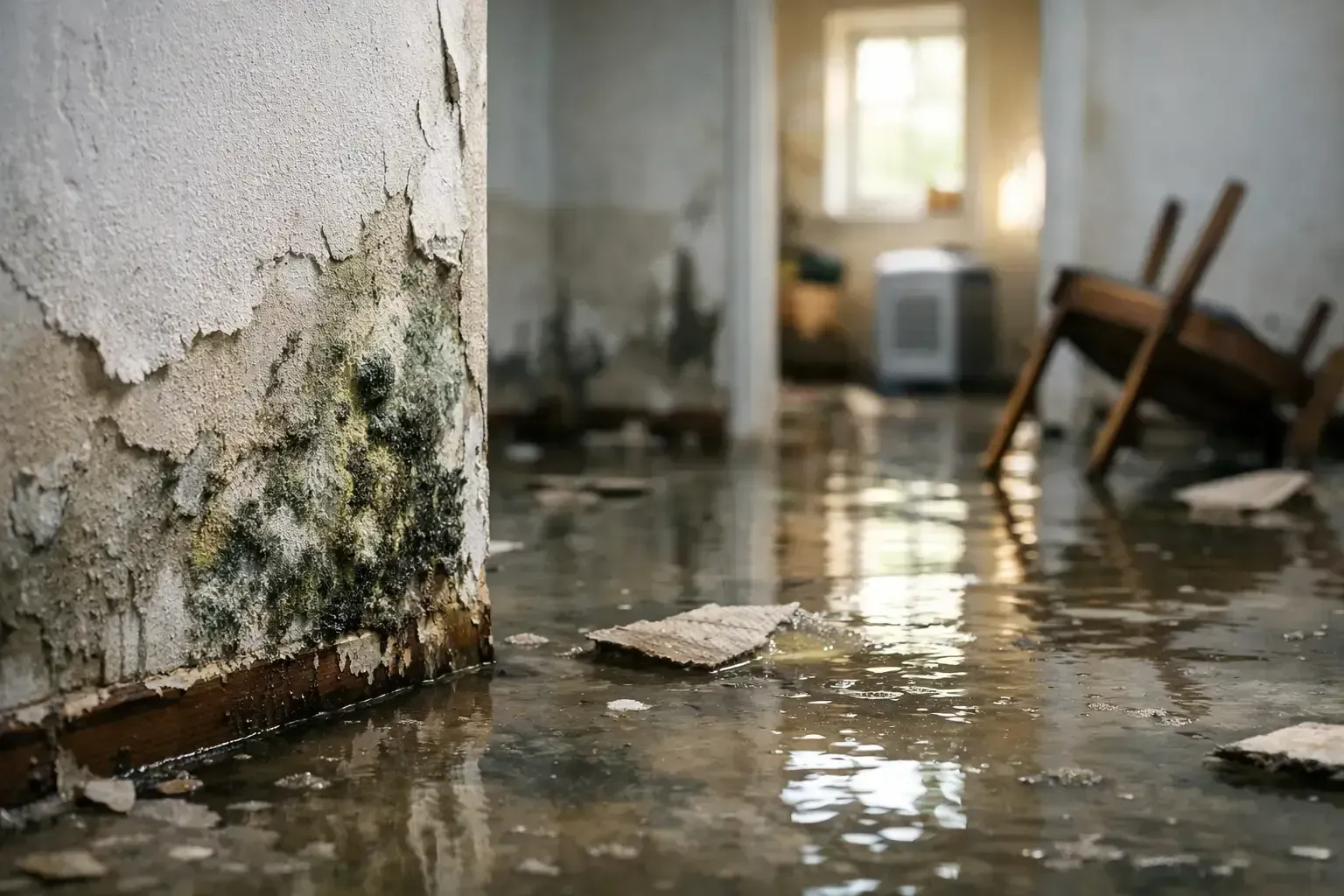
You pulled up the wet rugs, opened the windows, and started drying what you could. It still leaves one hard question hanging over the house – can mold grow after flooding? Yes, and in Florida conditions, it can happen fast enough that waiting even a day or two can make a manageable cleanup turn into a much bigger restoration job.
Floodwater does not just soak floors. It travels into baseboards, drywall, insulation, cabinets, subfloors, and wall cavities where moisture can stay trapped long after surfaces feel dry. That hidden moisture is what gives mold the opportunity to spread.
Can mold grow after flooding if the house looks dry?
Absolutely. A room can look normal while moisture remains behind the walls or under flooring. Homeowners often assume the danger has passed once standing water is gone, but visible water and actual drying are two different things.
Mold needs moisture, a food source, and time. After a flood, building materials provide all three. Drywall paper, wood framing, dust, fabric, and carpet backing all give mold something to feed on. In a warm, humid environment like Southwest Florida, the timeline speeds up.
In many cases, mold growth can begin within 24 to 48 hours after flooding. That does not always mean you will see black patches right away. Early growth often starts out of sight, which is why a property can smell musty before there are obvious stains.
Why mold spreads so quickly after a flood
Flooding creates the kind of conditions mold prefers. Water enters quickly, spreads unpredictably, and settles into porous materials. Even clean water from a supply line can become a mold issue if it is not dried thoroughly. If the source is stormwater, seawater, or sewage backup, the problem becomes more urgent because contamination and moisture are hitting the property at the same time.
Humidity also plays a major role. In Florida, air drying alone is rarely enough after a significant water loss. Ceiling fans and open windows may help a little, but they do not remove deep moisture from wall cavities, flooring assemblies, or insulation. In some cases, open windows can even introduce more humidity and slow the drying process.
That is why professional drying equipment matters. High-capacity air movers, dehumidifiers, and moisture meters are not extras. They are what help stop mold before it gets established.
The first warning signs to watch for
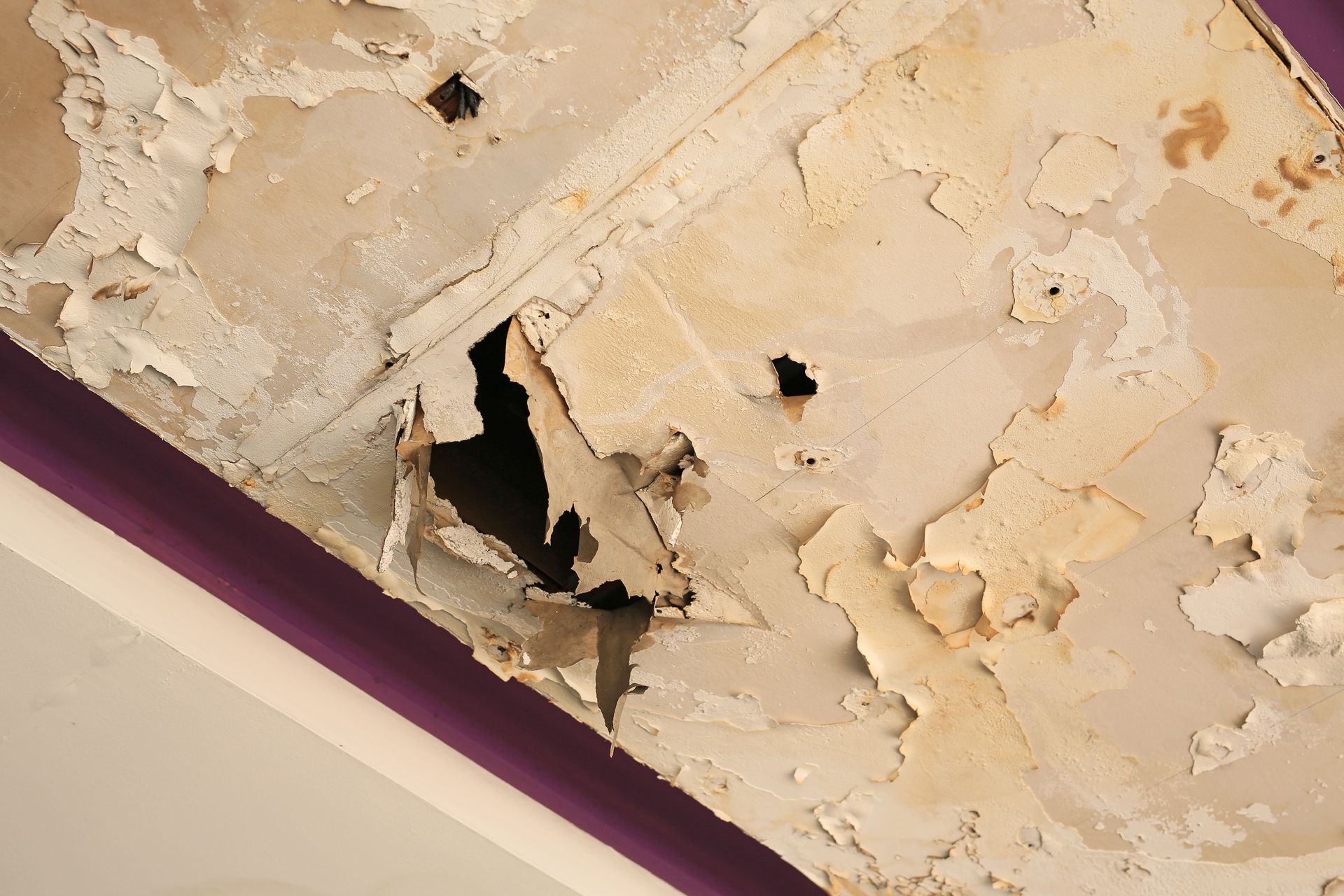
After a flood, mold does not always announce itself with visible spots on the wall. Sometimes the first signal is a damp, earthy odor that lingers even after cleanup. Other times, paint starts bubbling, baseboards swell, or flooring begins to cup or separate.
You may also notice increased allergy-like symptoms in the home. Sneezing, coughing, throat irritation, headaches, or itchy eyes can become more noticeable after water damage, especially for children, older adults, or anyone with asthma or respiratory sensitivity.
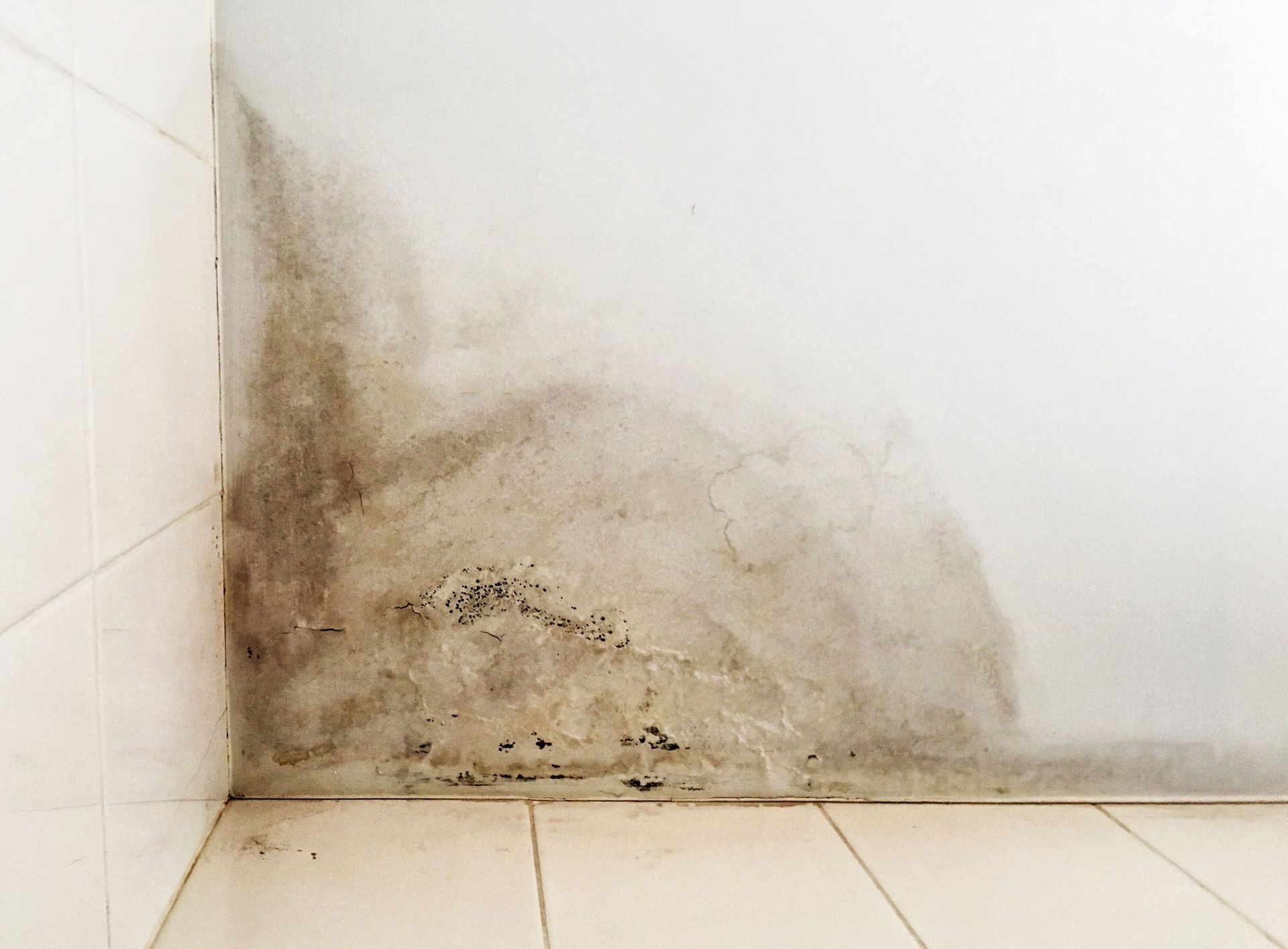
Visible signs can include discoloration on drywall, fuzzy growth on wood or fabric, dark spotting around vents, and staining near trim lines. Still, the absence of visible mold does not mean the house is clear. If materials stayed wet for more than a day or two, hidden growth is a real possibility.
Where mold hides after flooding
The places homeowners check first are not always the places where mold grows most aggressively. Wet carpet is obvious. Saturated padding underneath is less obvious. A stained wall gets attention. The wet insulation inside that wall often does not.
Common hidden problem areas include behind baseboards, inside drywall cavities, under vinyl plank or laminate flooring, beneath cabinets, around shower and tub enclosures, inside closets along exterior walls, and inside HVAC systems if moisture was pulled into the ductwork. If floodwater reached the air handler or duct system, spores and odors can move through the house more easily.
This is where proper inspection makes a difference. Drying the surface without checking what is happening underneath can leave the real problem in place.
Can you prevent mold after flooding?
Sometimes yes, but speed is everything. The best chance to prevent mold is to begin water extraction and structural drying immediately. The longer materials remain wet, the less likely simple drying will be enough.
If the flooding was minor and addressed very quickly, some materials may be saved. Hard surfaces, certain structural components, and some non-porous contents can often be cleaned and dried successfully. But porous materials are less forgiving. Wet carpet padding, insulation, particle board, upholstered items, and affected drywall may need removal depending on how long they were saturated and what kind of water entered the home.
The trade-off is simple. Trying to save too much can lead to a larger mold remediation bill later. Removing damaged materials early may feel aggressive, but it is often the safer and less expensive choice when floodwater has been sitting.
When this becomes more than a DIY cleanup
A small spill is one thing. Flooding is another. If water covered more than a limited area, reached walls or cabinetry, soaked flooring, came from outside, or sat overnight, this is usually beyond what towels and household fans can solve.
Professional help is especially important when the water source is contaminated, the home has a strong musty smell, anyone in the household has respiratory concerns, or you are unsure how far the moisture spread. Insurance documentation is another reason to act quickly. A restoration team can often provide the moisture readings, photos, and scope details that support a cleaner claim process.
For many homeowners, the biggest mistake is waiting to see what happens. Mold does not pause while you monitor the smell for a few days. By then, the remediation scope can be much larger.
What a professional response should include
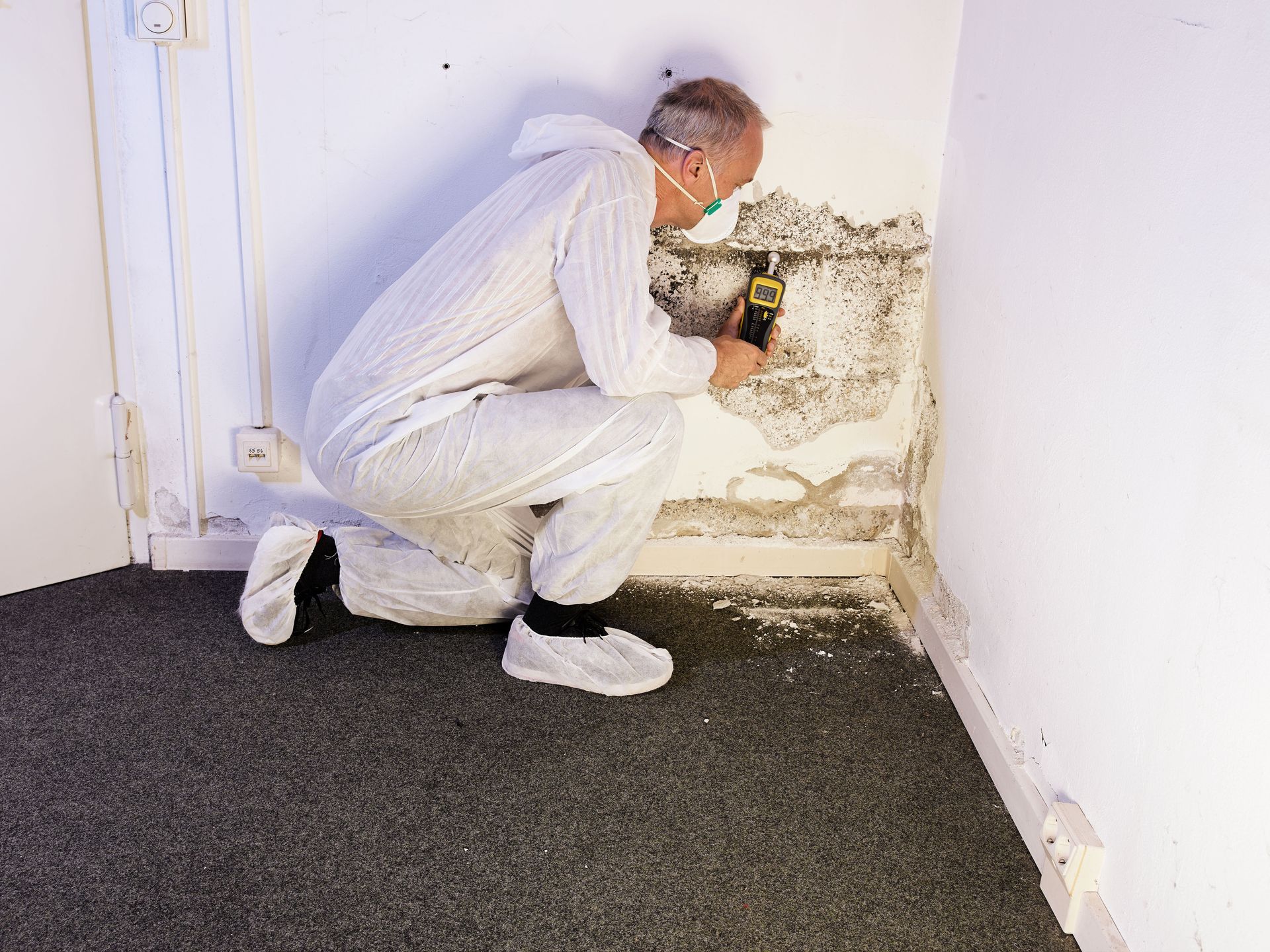
A proper flood response is not just water removal. It should start with a full moisture inspection so hidden wet areas are identified early. From there, the work typically includes extraction, removal of unsalvageable materials when necessary, controlled drying, humidity reduction, and follow-up monitoring to confirm the structure is actually drying.
If mold is already present, the job shifts from drying to remediation. That may involve containment, air filtration, removal of affected materials, detailed cleaning, and treating the impacted area according to industry standards. The right approach depends on how far the growth has spread and whether the water source was clean, gray, or black water.
A company like FloStop Restoration LLC is built for exactly this kind of emergency – fast dispatch, certified restoration work, and insurance-friendly documentation that helps reduce stress when the house is already upside down.
Why floodwater and mold are a serious health and property issue
The property damage side is expensive enough. Mold can stain surfaces, weaken drywall, ruin flooring, damage framing, and create persistent odor problems that are difficult to remove once they spread through porous materials.
The health side matters too. Mold exposure affects people differently. Some notice only mild irritation. Others deal with stronger reactions, especially in damp indoor environments after a flood. If sewage or contaminated water was involved, there are added sanitation concerns beyond mold alone.
This is why fast action is not just about protecting resale value. It is about making the home safe and stable again.
What to do right now after flooding
If the area is safe to enter, shut off the water source if it is still active and avoid using electricity near wet materials. Move dry belongings out of the affected area if you can do it safely. Take photos of the damage. Then focus on getting the property inspected and dried immediately.
Do not assume bleach solves the problem. On porous materials, it usually does not reach the root of hidden mold growth. Do not reinstall flooring, close walls, or repaint over affected surfaces until moisture levels are confirmed dry. Covering it up only traps the problem.
If your home flooded and you are asking whether mold can grow after flooding, the answer is yes, and the clock starts sooner than most people expect. The smartest move is not to wait for visible mold. It is to treat water damage like the emergency it is, get the moisture out fast, and make sure the house is truly dry before small damage turns into a much larger repair.
The post Can Mold Grow After Flooding? Yes – Fast first appeared on FloStop Restoration.